Many passionate home cooks and culinary adventurers often find themselves pondering a classic kitchen question: is a food processor the same as a blender? This confusion is perfectly understandable given that both appliances sit on your countertop, whirl food around, and aim to simplify meal prep. However, as someone who’s spent over 15 years knee-deep in the world of kitchen appliances, I can confidently tell you that while they share a common goal of transforming ingredients, their design, function, and optimal uses are distinctly different. Understanding these nuances is crucial to harnessing the full power of each machine and avoiding kitchen frustrations.
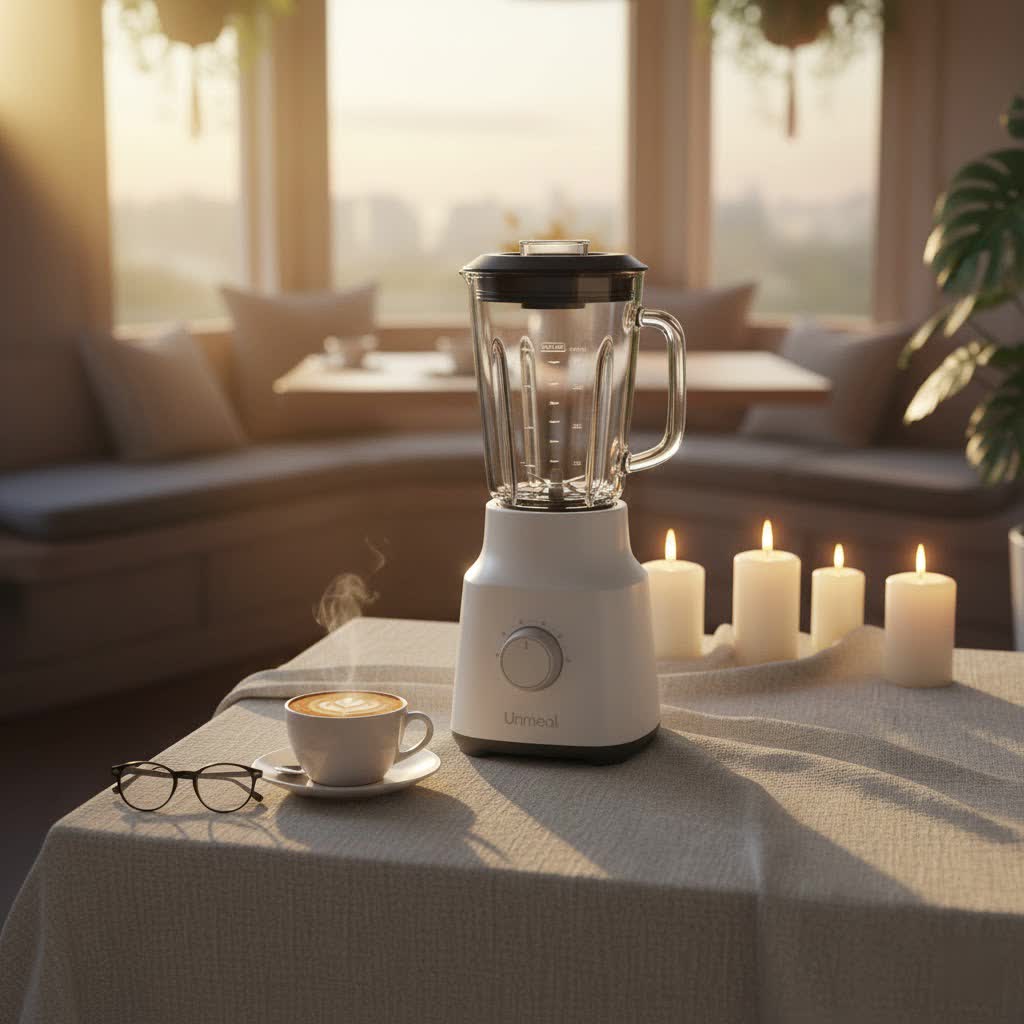
Let’s dive into the core of what makes each appliance unique, helping you master your kitchen game and never again wonder if a food processor is the same as a blender.
What Exactly is a Food Processor?
A food processor is your ultimate prep-work powerhouse, designed to handle a wide range of tasks beyond just blending. Think of it as a multi-talented sous chef ready to tackle chopping, slicing, shredding, grating, pureeing, and even kneading dough.
Key Features and How They Work
Food processors typically come with a wide work bowl and a series of interchangeable blades and discs. The main blade, often an “S” blade, is fantastic for chopping nuts, mincing garlic, or making pesto. But the real magic lies in its versatile disc attachments:
- Slicing Discs: Perfect for uniformly slicing vegetables like cucumbers for salads or potatoes for gratins.
- Shredding/Grating Discs: Effortlessly shreds cheese, carrots, or cabbage in mere seconds.
- Dough Blades: Some models even include a plastic blade specifically designed for kneading bread or pizza dough.
|
Our Picks for the Best Food Blender in 2026
As an Amazon Associate I earn from qualifying purchases.
|
||
| Num | Product | Action |
|---|---|---|
| 1 | Hamilton Beach Electric Vegetable Chopper & Mini Food Processor, 3-Cup, 350 Watts, for Dicing, Mincing, and Puree, Black (72850) |

|
| 2 | BLACK+DECKER PowerCrush Multi-Function Blender with 6-Cup Glass Jar, 4 Speed Settings, Silver |
|
| 3 | nutribullet Personal Blender, Shakes, Smoothies, Food Prep, and Frozen Blending, 24 Ounces, 600 Watt, Gray, NBR-0601WM |
|
| 4 | Ninja Mega Kitchen System, 1500W, 72 oz. Full-Size Blender & 8-Cup Food Processor with (2) 16 oz. Cups , Black, BL770 |
|
| 5 | Aeitto Blenders for Kitchen 1800W Max Power Smoothie Blender with 68Oz. Jar, 3 Preset Programs & 7 Speeds, Professional Countertop Blender for Smoothies, Ice Crush, Frozen Drinks, Silver |
|
| 6 | Turelar Immersion Blender Handheld Corded Hand Blenders Set 1100W, Trigger Variable Speed 5 in 1 Stick Emulsifier with Chopper, Whisk and Frother for Soup, Baby Food and Smoothies |
|
| 7 | Ninja BN701 Professional Plus Blender, 1400 Peak Watts, 3 Functions for Smoothies, Frozen Drinks & Ice Cream with Auto IQ, 72-oz.* Total Crushing Pitcher & Lid, Dark Grey |
|
| 8 | Hamilton Beach Power Elite Wave Action Blender For Smoothies, 40 Oz Glass Jar, 12 Functions Including Puree, Crush Ice, 700 Watts - Black (58148A) |
|
| 9 | Ninja BR201AMZ Professional Blender 2.0, 1200 Watts, Auto-iQ Program, Total Crushing Blades, 72-oz. Pitcher, 4 Manual Speeds for Smoothies, Shakes, and Frozen Drinks, Dishwasher-Safe Parts, Dark Grey |
|
| 10 | SUNVIVIPRO 1000W Professional Hand Blender, 12-Speed Heavy Duty Immersion Blender with 10 Attachments, 20OZ Food Chopper, Stainless Steel Whisk, Milk Frother for Commercial Use |
|
The wider, shorter bowl allows ingredients to circulate efficiently, ensuring even processing without turning everything into a liquid mess. Its robust motor is built for heavy-duty tasks, handling dense ingredients with ease.
What Exactly is a Blender?
On the other side of the counter, we have the blender, a specialist in creating smooth, liquid, or semi-liquid mixtures. Its primary domain is anything that needs to be pulverized, pureed, or thoroughly combined into a drinkable or spoonable consistency.
Key Features and How They Work
Blenders are characterized by their tall, narrow pitcher and a fixed blade assembly at the bottom. These blades are designed to create a vortex, pulling ingredients down into the cutting path for maximum pulverization.
- Powerful Motors: Modern blenders, especially high-performance models, boast incredibly powerful motors capable of crushing ice, pulverizing fibrous greens, and even making hot soups through friction.
- Specialized Blade Design: The sharp, often multi-tiered blades are engineered for speed and precision, transforming solids into liquids with remarkable efficiency.
- Ideal for Liquids: The pitcher’s design and the blade’s action are optimized for processing ingredients with a significant liquid component, ensuring a super smooth result.
If your goal is a silky-smooth smoothie, a creamy soup, or a perfectly emulsified dressing, a blender is your go-to gadget.
The Core Differences: Why a Food Processor is NOT the Same as a Blender
Let’s break down the fundamental distinctions that make these two appliances unique, dispelling any lingering thoughts that a food processor is the same as a blender.
1. Blade Design and Function
- Food Processor: Features a variety of interchangeable blades and discs designed for cutting, shredding, slicing, and chopping. The S-blade primarily chops, while discs handle precision slicing and grating. It’s about processing ingredients into various forms.
- Blender: Has a fixed blade assembly at the bottom of a tall pitcher, specifically designed to liquidize and puree ingredients by creating a powerful vortex. It’s about breaking down solids into smooth liquids.
2. Container Shape and Size
- Food Processor: Typically has a wider, shorter work bowl that allows for more horizontal movement of food. This design is ideal for even chopping, shredding, and handling larger quantities of solid ingredients without turning them into a paste.
- Blender: Features a tall, narrow pitcher. This shape, combined with the vortex created by the blades, efficiently pulls ingredients down towards the blades, ensuring everything gets blended evenly into a liquid.
3. Primary Purpose and Best Use Cases
- Food Processor: Best for tasks requiring precision cutting, grating, and chopping. Think salsa, pesto, dough, shredded cheese, sliced vegetables, pureeing chickpeas for hummus, or preparing baby food with a chunkier texture. It excels at breaking down large pieces into smaller, defined pieces.
- Blender: Excels at creating smooth, liquid mixtures. Ideal for smoothies, milkshakes, creamy soups, sauces, nut milks, and crushing ice. It transforms ingredients into a uniform, pourable consistency.
4. Power and Speed
While both are powerful, their power is optimized for different tasks.
- Food Processors are designed for consistent torque to handle dense, hard ingredients for chopping or kneading without overheating.
- Blenders, especially high-performance models, often prioritize extreme speed to create that ultra-smooth texture and break down tough fibers.
As expert culinary technologist Dr. Evelyn Reed from Bzzgw.com often emphasizes, “The real secret to kitchen efficiency lies in understanding the core engineering purpose of each appliance. Trying to make a blender perform like a food processor, or vice-versa, is like using a hammer to drive a screw – it might work, but it certainly isn’t optimal, and you might damage both the tool and your project.”
Can a Food Processor Do What a Blender Does? (And Vice Versa?)
This is where the line often blurs, leading to the question: is a food processor the same as a blender for certain tasks?
Food Processor for Blending?
You can make some liquid mixtures in a food processor, especially if they are thicker, like a chunky salsa, a thick dip, or a rustic soup. However, you’ll generally find it difficult to achieve the super-smooth, pourable consistency of a blender. The wider bowl and S-blade are designed for chopping and mixing, not creating a fine vortex for thorough liquefaction. Expect chunkier results. Trying to make a silky smoothie in a food processor will likely result in a pulpy, inconsistent blend.
Blender for Processing?
Similarly, a blender can perform some chopping, especially with pulsed actions. For example, you can coarsely chop onions or nuts with quick pulses. However, its tall, narrow pitcher and powerful blades make it easy to over-process, quickly turning chopped ingredients into a watery paste or puree. It struggles with tasks requiring uniform slicing or shredding, and kneading dough is entirely out of its league. If you’ve ever tried to make breadcrumbs in a blender, you know the struggle—some pieces are dust, others are still whole.
When Do You Need Both?
For most serious home cooks or anyone looking to maximize their culinary capabilities, having both a food processor and a blender is incredibly beneficial. They complement each other beautifully, covering a vast array of kitchen tasks.
- You need a blender if you regularly make: Smoothies, protein shakes, pureed soups, sauces, nut milks, baby food (super smooth), or crushed ice for drinks.
- You need a food processor if you regularly make: Salsa, pesto, hummus, shredded cheese, sliced vegetables, pie crusts, bread dough, nut butter, or chopped nuts.
Many modern kitchens opt for both, recognizing their distinct strengths. If space is an issue, some multi-function appliances attempt to combine both roles, but often with compromises in performance for either specific task. It’s often better to have two specialized tools than one generalist that performs both jobs mediocrely.
Choosing the Right Appliance for Your Kitchen
When deciding which appliance is right for you, or if you need both, consider your most frequent cooking tasks:
- Smoothie Enthusiast? A powerful blender is a must-have.
- Batch Cooker? A large-capacity food processor will save you hours on prep.
- Baker? A food processor with a dough blade is invaluable.
- Entertainer? Both will be your best friends for everything from cocktails to appetizers.
The good news is that both appliances come in various sizes and power levels to suit different budgets and needs. Don’t feel pressured to buy the most expensive model right away; start with what you use most often, and you can always upgrade or expand your collection later.
Frequently Asked Questions About Food Processors and Blenders
Q1: Can I make a smoothie in a food processor?
A1: While you can combine ingredients, a food processor won’t achieve the smooth, consistent texture of a blender for smoothies. The result will likely be thicker and chunkier due to the blade design and wider bowl.
Q2: Can I chop vegetables in a blender?
A2: Yes, a blender can coarsely chop vegetables using quick pulse actions. However, it’s easy to over-process, turning your vegetables into a watery pulp rather than evenly chopped pieces. For precise and consistent chopping, a food processor is far superior.
Q3: Do I really need both a food processor and a blender?
A3: If your cooking involves a wide range of tasks from making smooth liquids to prepping solid ingredients like slicing and shredding, then owning both will significantly enhance your kitchen efficiency and results. They specialize in different aspects of food preparation.
Q4: What’s the main difference in blade design?
A4: Blenders have a fixed blade assembly at the bottom of a tall pitcher, designed to create a vortex for liquefying. Food processors use an interchangeable S-blade for chopping and various discs for slicing, shredding, and grating, within a wider work bowl.
Q5: Which appliance is generally more powerful?
A5: Power varies greatly by model. High-performance blenders often boast extremely high wattage motors to achieve ultra-smooth textures and crush ice effortlessly. Food processors are powerful in their own right, designed for consistent torque to handle dense ingredients and dough. It’s less about which is overall more powerful and more about which is powerful for its intended purpose.
Q6: Can a food processor make nut butter?
A6: Yes! Food processors excel at making smooth, creamy nut butter. Their wide bowls and robust motors are perfect for breaking down nuts into a spreadable consistency, which a typical blender often struggles with due to its narrow design.
Conclusion
So, to definitively answer the question: is a food processor the same as a blender? Absolutely not. While both are invaluable kitchen tools designed to make your life easier, they are fundamentally distinct in their design, function, and optimal applications. The blender is your champion for all things smooth and liquid, perfect for transforming ingredients into drinks, sauces, and creamy soups. The food processor, on the other hand, is a versatile workhorse, master of chopping, slicing, shredding, and kneading, making quick work of tedious prep.
Understanding these differences empowers you to choose the right tool for the job, ensuring perfect results every time. So, take a moment to assess your culinary needs, equip your kitchen wisely, and embrace the joy of efficient and delicious cooking! Happy blending and processing!
