Every bustling kitchen, from the vibrant smoothie bar to the high-volume restaurant, relies on a secret weapon that often goes unnoticed: the Commercial Food Blender. Far more than just a glorified kitchen gadget, this powerhouse appliance is the heart of efficiency, consistency, and culinary creativity in a professional setting. If you’ve ever wondered what truly separates a robust commercial food blender from its humble home counterpart, or how to harness its full potential, you’ve come to the right place. As a seasoned expert and content creator for Bzzgw.com, I’m here to blend away the confusion and serve up the knowledge you need to master this indispensable tool.
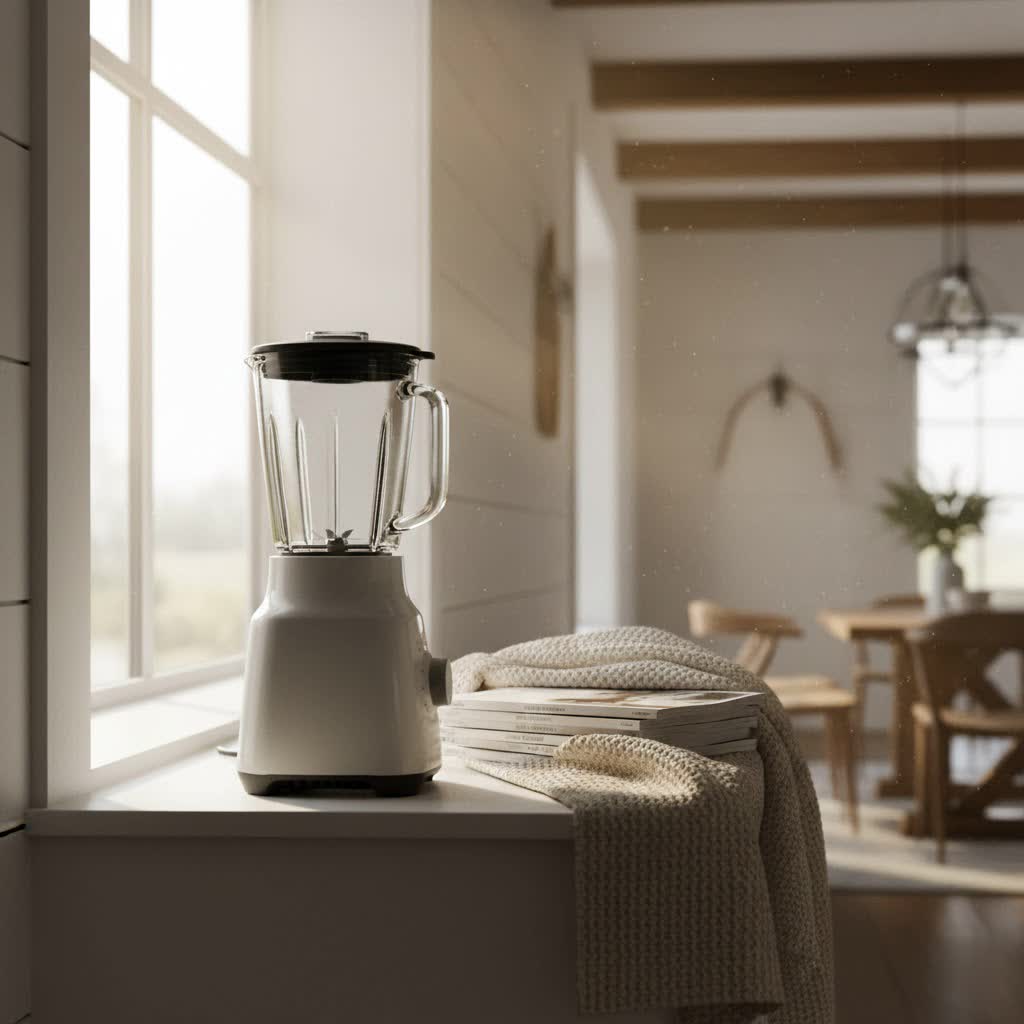
Why a Commercial Food Blender Isn’t Your Home Blender
You might think a blender is just a blender, right? Wrong. The demands of a professional kitchen are light years ahead of a home setup, and a commercial food blender is engineered to meet those rigorous expectations head-on. Imagine blending dozens of thick smoothies, pureeing gallons of hot soup, or crushing pounds of ice, day in and day out, for hours on end. A home blender would quickly falter, overheat, and eventually give up the ghost.
Commercial blenders, on the other hand, are built like tanks. They boast significantly more powerful motors, often ranging from 1.5 to 3.75 horsepower, designed for continuous operation without burning out. This means they can tackle the toughest ingredients – think frozen fruits, dense vegetables, and large ice cubes – with unwavering performance and deliver consistent results, batch after batch. This consistent output is crucial for maintaining your brand’s quality and customer satisfaction, ensuring every dish or drink meets your exacting standards.
Types of Commercial Blenders: Finding Your Culinary Match
While the umbrella term “commercial blender” covers a few varieties, when we talk about a “commercial food blender,” we’re usually referring to the heavy-duty countertop models built for demanding food preparation. However, it’s worth knowing the other players:
- Commercial Food Blenders: These are the workhorses for serious cooking. Designed for restaurants, cafes, and smoothie shops, they excel at pureeing fruits and vegetables, blending thick liquids into smooth textures, making hearty soups, and even nut butters. They often feature larger jars, stronger motors, and faster blade speeds than standard household blenders.
- Bar Blenders: Specifically designed for high-volume beverage service, like frozen cocktails and mixed drinks. While powerful, they are generally less robust than dedicated food blenders.
- Immersion Blenders: Also known as stick blenders, these handheld units are perfect for blending ingredients directly in a pot or large container. Ideal for soups, sauces, and emulsions, they offer flexibility and reduce cleanup.
For the purpose of this guide, we’ll primarily focus on the high-performance countertop commercial food blender – your go-to for serious culinary tasks.
Decoding the Power: Essential Features of a Top-Tier Commercial Food Blender
Choosing the right commercial food blender isn’t about picking the prettiest one. It’s about understanding the core features that drive performance, durability, and ultimately, your business’s success.
The Heart of the Beast: Motor Power
|
Our Picks for the Best Food Blender in 2026
As an Amazon Associate I earn from qualifying purchases.
|
||
| Num | Product | Action |
|---|---|---|
| 1 | nutribullet Personal Blender, Shakes, Smoothies, Food Prep, and Frozen Blending, 24 Ounces, 600 Watt, Gray, NBR-0601WM |

|
| 2 | Ninja BR201AMZ Professional Blender 2.0, 1200 Watts, Auto-iQ Program, Total Crushing Blades, 72-oz. Pitcher, 4 Manual Speeds for Smoothies, Shakes, and Frozen Drinks, Dishwasher-Safe Parts, Dark Grey |
|
| 3 | Turelar Immersion Blender Handheld Corded Hand Blenders Set 1100W, Trigger Variable Speed 5 in 1 Stick Emulsifier with Chopper, Whisk and Frother for Soup, Baby Food and Smoothies |
|
| 4 | Hamilton Beach Electric Vegetable Chopper & Mini Food Processor, 3-Cup, 350 Watts, for Dicing, Mincing, and Puree, Black (72850) |
|
| 5 | Ninja BN701 Professional Plus Blender, 1400 Peak Watts, 3 Functions for Smoothies, Frozen Drinks & Ice Cream with Auto IQ, 72-oz.* Total Crushing Pitcher & Lid, Dark Grey |
|
| 6 | Hamilton Beach Power Elite Wave Action Blender For Smoothies, 40 Oz Glass Jar, 12 Functions Including Puree, Crush Ice, 700 Watts - Black (58148A) |
|
| 7 | SUNVIVIPRO 1000W Professional Hand Blender, 12-Speed Heavy Duty Immersion Blender with 10 Attachments, 20OZ Food Chopper, Stainless Steel Whisk, Milk Frother for Commercial Use |
|
| 8 | Aeitto Blenders for Kitchen 1800W Max Power Smoothie Blender with 68Oz. Jar, 3 Preset Programs & 7 Speeds, Professional Countertop Blender for Smoothies, Ice Crush, Frozen Drinks, Silver |
|
| 9 | BLACK+DECKER PowerCrush Multi-Function Blender with 6-Cup Glass Jar, 4 Speed Settings, Silver |
|
| 10 | Ninja Mega Kitchen System, 1500W, 72 oz. Full-Size Blender & 8-Cup Food Processor with (2) 16 oz. Cups , Black, BL770 |
|
This is arguably the most critical feature. A powerful motor, typically measured in horsepower (HP) or watts, dictates a blender’s ability to process ingredients efficiently. For most commercial food applications, look for a motor with at least 1.5 peak horsepower, often ranging up to 3.75 HP or 1000-2500 watts [2, 5, search result 2:4]. A higher wattage or HP means faster blending, smoother results, and the capability to handle tough ingredients like ice and frozen fruit without strain, preventing motor burnout during peak hours [4, 5, search result 2:4].
The Edge of Excellence: Blade Design and Quality
The blades are the unsung heroes, doing the actual chopping and pulverizing. High-quality stainless steel blades are a must, as they offer superior durability and resist corrosion [5, search result 2:2]. Some models feature serrated blades, providing a dual cutting and blending function for even finer results [5, search result 2:2]. Look for blenders with removable blade assemblies for easier, more thorough cleaning, ensuring no food residue is left behind [1, search result 1:1].
The Right Vessel: Jar Material and Capacity
Blender jars come in various materials, each with its pros and cons:
- Stainless Steel: The most durable option, excellent for both hot and cold ingredients, and doesn’t retain odors. However, they are opaque, so you can’t see the blending process [3, search result 1:3].
- Copolyester (e.g., Tritan): A popular choice for its durability, clarity, and shatter resistance. It’s often BPA-free and good for various temperatures.
- Polycarbonate: Virtually unbreakable, making it ideal for fast-paced environments. However, some types may contain BPA and shouldn’t be used for hot foods.
- Glass: Less common in commercial settings due to its fragility but offers excellent clarity and doesn’t scratch easily.
Capacity is equally vital. For busy commercial kitchens, larger jars (1.9 liters or more) are preferred for blending substantial quantities in one go, saving time and boosting productivity [2, search result 1:2]. Smaller jars (0.9 to 1.3 liters) are useful for individual portions or smaller batches [2, search result 1:2]. Consider stackable jars for businesses needing multiple containers, and jars with ergonomic handles for easier lifting and pouring [2, search result 1:2].
Precision at Your Fingertips: Variable Speed Control and Pulse Function
Consistency is key in a professional kitchen. Variable speed control allows chefs to precisely adjust the motor speed, giving them ultimate control over ingredient consistency, from a coarse chop to a silky puree [3, 5, search result 1:3]. This is especially important for delicate tasks like making salad dressings or sauces, where a slow start and gradual increase in speed are crucial [3, search result 1:3]. A pulse function provides short bursts of power, perfect for chopping, crushing ice, or quickly refining textures [3, search result 2:1].
Keeping the Peace: Noise Reduction
In an open-kitchen concept or a busy cafe, a loud blender can disrupt the ambiance. Many high-end commercial blenders now feature sound enclosures or advanced sound-dampening technology to reduce operational noise to the level of a normal conversation, improving the working environment for staff and the experience for customers [2, 4, 5, search result 1:2].
Built to Last: Overall Durability
A commercial blender is an investment, and you want it to stand the test of time. Look for robust construction with high-quality materials, especially in the base and connections. A durable blender from a reputable manufacturer ensures prolonged life and minimal wear and tear, reducing replacement costs and downtime [5, search result 1:5].
Simplifying Cleanup: Ease of Cleaning
Time is money in any commercial kitchen. Opt for blenders designed for easy dismantling and cleaning. Features like dishwasher-safe jars, removable jar pads, and blade assemblies make daily cleaning much more efficient and help maintain the highest hygiene standards [1, 5, search result 1:1, 5]. Some advanced models even offer self-cleaning functions.
“A truly exceptional commercial food blender isn’t just about raw power; it’s about the intelligent integration of robust engineering with user-friendly features that make a measurable difference in daily kitchen operations,” says Julian Thorne, Lead Product Engineer at Innovate Kitchen Solutions. “From the motor’s consistent torque to the tactile feedback of the controls, every element must contribute to seamless, reliable performance and long-term value.”
Mastering the Art of Maintenance: Keeping Your Blender in Peak Condition
Even the most robust commercial food blender needs a little TLC to ensure its longevity and optimal performance. Proper maintenance is your best defense against costly breakdowns and inconsistent results.
Daily Rituals: Routine Cleaning After Every Use
This is non-negotiable. Regular cleaning prevents residue buildup and bacteria growth, which can impact performance and food safety [1, 3, 5, search result 3:1].
- Unplug and Disassemble: Always unplug your blender before cleaning. Remove the jar, blades (if detachable), and any other removable parts [1, 4, 5, search result 3:1].
- Immediate Rinse: Rinse the jar and blades under hot water immediately after use to prevent food from drying and hardening [1, 3, search result 3:1].
- Soapy Water Wash: Fill the jar halfway with hot, soapy water, secure the lid, and blend on a low setting for 30 seconds to loosen stuck-on residue [1, 5, search result 3:1].
- Gentle Scrubbing: Use a soft sponge or brush for thorough cleaning. Avoid harsh scrubbers that can scratch surfaces [1, 3, search result 3:1].
- Rinse and Dry: Rinse all parts thoroughly with clean water and allow them to air dry completely before reassembling to prevent mold and bacteria growth [1, 3, 5, search result 3:1].
- Clean the Base: Wipe down the motor base with a damp cloth to remove spills. Never submerge the base in water [1, 4, 5, search result 3:1].
Weekly Deep Dive: Comprehensive Cleaning and Inspection
Beyond daily cleaning, a weekly deep clean and inspection will keep your blender in pristine condition [1, 3, search result 3:1].
- Vinegar Solution: For a deeper clean and odor removal, fill the jar with equal parts water and white vinegar. Blend on low for a minute, then let it sit for 10 minutes before rinsing thoroughly [1, search result 3:1].
- Baking Soda Paste: Use a water and baking soda paste to scrub stubborn stains or odors [1, search result 3:1].
- Sanitization: For ultimate hygiene, sanitize the jar with a diluted food-safe sanitizer or bleach solution, letting it sit for a few minutes before a thorough rinse [1, 5, search result 3:1].
- Inspect Components: Regularly check blades for nicks, cracks, or looseness, replacing them every 3-6 months for optimal performance [3, 4, search result 3:3]. Inspect seals and gaskets for hardening or cracks, applying food-grade silicone lubricant to extend their lifespan [2, search result 3:2]. Also, check for any loose screws on the base and tighten them [1, search result 3:1].
Smart Usage Practices: Extend Lifespan
- Cool Down: Allow the motor to cool down between heavy-duty blending tasks to prevent overheating and extend its lifespan [1, search result 3:1].
- Proper Storage: Store clean and dry parts. If storing for extended periods, remove blade assemblies and apply a light coat of food-grade silicone to seals [2, search result 3:2].
Frequently Asked Questions About Commercial Food Blenders
Q1: What is the main difference between a commercial food blender and a regular home blender?
A1: Commercial food blenders are designed for continuous, heavy-duty use in high-volume settings like restaurants or cafes. They feature significantly more powerful motors (often 1.5-3.75 HP), more durable components, and larger capacities to handle tough ingredients and frequent operation without overheating, unlike residential blenders which are made for intermittent home use.
Q2: What motor power should I look for in a commercial food blender?
A2: For most demanding commercial applications, a motor power of at least 1.5 peak horsepower is recommended. Many high-performance models range from 2 HP up to 3.75 HP or 1000-2500 watts, which provides sufficient power for crushing ice, blending frozen fruits, and pureeing dense ingredients efficiently.
Q3: What type of jar material is best for a commercial food blender?
A3: Stainless steel jars are highly durable, excellent for both hot and cold ingredients, and resistant to odors, though they are opaque. Copolyester (like Tritan) is popular for its clarity, durability, and shatter resistance. Polycarbonate is virtually unbreakable but should be avoided for hot foods. The best choice depends on your specific application and preference for visibility.
Q4: How often should I clean my commercial food blender?
A4: You should perform a routine cleaning of the jar, blades, and lid after every use to prevent residue buildup and bacterial growth. A deeper clean, including inspection of components and sanitization, is recommended weekly. Always consult your manufacturer’s manual for specific cleaning instructions.
Q5: Can a commercial food blender make hot soups?
A5: Yes, many high-performance commercial food blenders are capable of blending hot soups directly in the jar. However, it’s crucial to ensure the jar material (e.g., stainless steel or specific copolyesters) is rated for hot liquids and to never fill it beyond the hot liquid max line to allow for steam expansion. Always handle with care.
Q6: What features help reduce noise in commercial blenders?
A6: Many commercial blenders designed for busy customer-facing environments include sound enclosures or advanced sound-dampening technology in their motor base. These features significantly reduce operational noise, creating a more pleasant atmosphere for both staff and customers.
Q7: How important is variable speed control in a commercial food blender?
A7: Variable speed control is highly important as it provides precise control over the blending process, allowing you to achieve the desired consistency for different ingredients, from chunky salsa to smooth purees. This flexibility enhances culinary versatility and ensures consistent product quality.
The Blend Towards Success
A commercial food blender isn’t just another piece of equipment; it’s an investment in your business’s efficiency, consistency, and culinary excellence. By understanding the different types, prioritizing essential features like motor power and blade quality, and committing to a robust maintenance routine, you can ensure your blender remains a tireless ally in your kitchen for years to come. So go ahead, choose wisely, blend confidently, and let your commercial food blender transform your ingredients into masterpieces. Your customers (and your bottom line) will thank you.
