Life moves fast, and our kitchens often need to keep up. Whether you’re navigating a cozy apartment, furnishing a dorm room, or simply seeking to streamline your meal prep, a compact powerhouse like the Mini Food Blender can be a game-changer. Forget bulky appliances that hog precious counter space; these ingenious gadgets are designed for efficiency, portability, and perfectly sized portions, making healthy eating and quick culinary tasks easier than ever. A mini food blender isn’t just a trend; it’s an essential tool for the modern kitchen, blending convenience with versatility to tackle everything from your morning smoothie to intricate sauces.
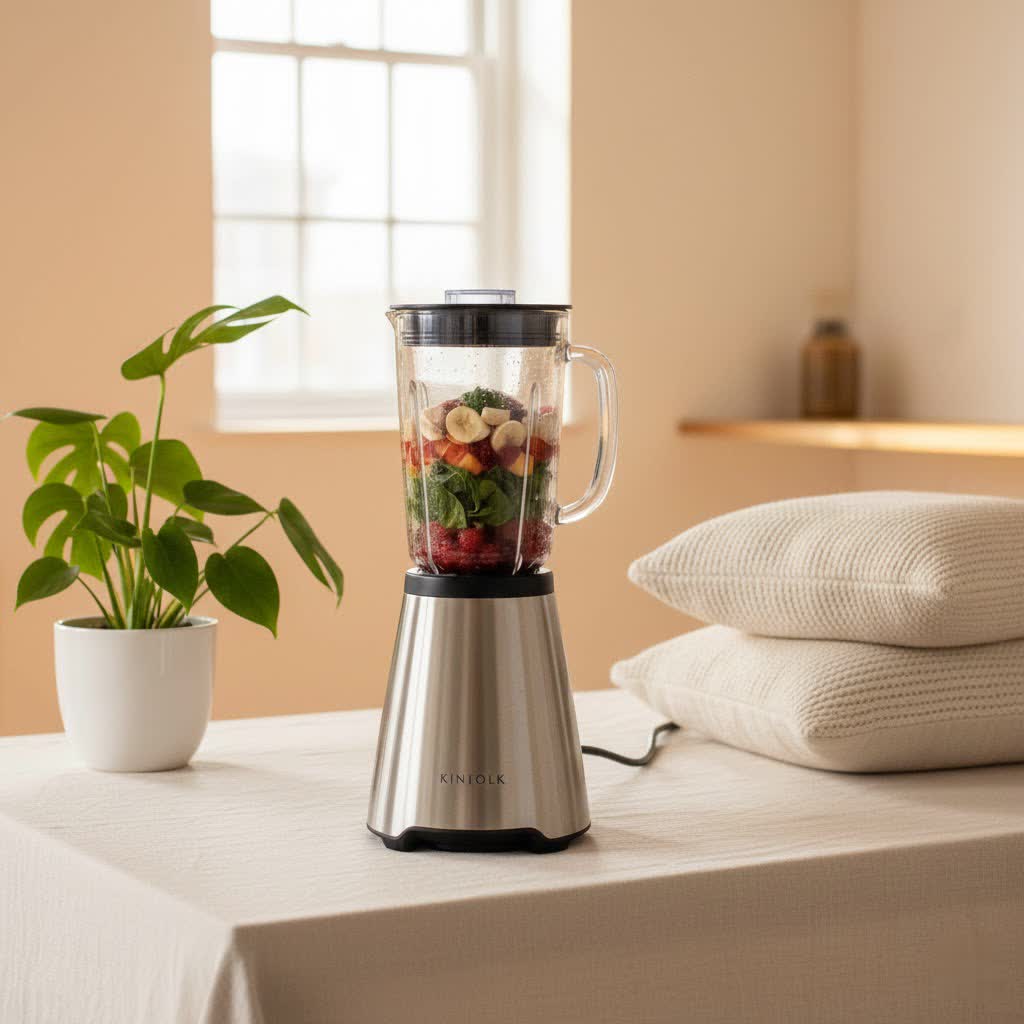
Why Every Kitchen Needs a Mini Food Blender
In today’s fast-paced world, convenience and efficiency are paramount. The mini food blender embodies these values, offering significant advantages that make it an indispensable kitchen companion.
Master Your Small Spaces with Smart Design
|
Our Picks for the Best Food Blender in 2026
As an Amazon Associate I earn from qualifying purchases.
|
||
| Num | Product | Action |
|---|---|---|
| 1 | Ninja Mega Kitchen System, 1500W, 72 oz. Full-Size Blender & 8-Cup Food Processor with (2) 16 oz. Cups , Black, BL770 |

|
| 2 | BLACK+DECKER PowerCrush Multi-Function Blender with 6-Cup Glass Jar, 4 Speed Settings, Silver |
|
| 3 | Hamilton Beach Electric Vegetable Chopper & Mini Food Processor, 3-Cup, 350 Watts, for Dicing, Mincing, and Puree, Black (72850) |
|
| 4 | SUNVIVIPRO 1000W Professional Hand Blender, 12-Speed Heavy Duty Immersion Blender with 10 Attachments, 20OZ Food Chopper, Stainless Steel Whisk, Milk Frother for Commercial Use |
|
| 5 | Aeitto Blenders for Kitchen 1800W Max Power Smoothie Blender with 68Oz. Jar, 3 Preset Programs & 7 Speeds, Professional Countertop Blender for Smoothies, Ice Crush, Frozen Drinks, Silver |
|
| 6 | nutribullet Personal Blender, Shakes, Smoothies, Food Prep, and Frozen Blending, 24 Ounces, 600 Watt, Gray, NBR-0601WM |
|
| 7 | Hamilton Beach Power Elite Wave Action Blender For Smoothies, 40 Oz Glass Jar, 12 Functions Including Puree, Crush Ice, 700 Watts - Black (58148A) |
|
| 8 | Ninja BR201AMZ Professional Blender 2.0, 1200 Watts, Auto-iQ Program, Total Crushing Blades, 72-oz. Pitcher, 4 Manual Speeds for Smoothies, Shakes, and Frozen Drinks, Dishwasher-Safe Parts, Dark Grey |
|
| 9 | Ninja BN701 Professional Plus Blender, 1400 Peak Watts, 3 Functions for Smoothies, Frozen Drinks & Ice Cream with Auto IQ, 72-oz.* Total Crushing Pitcher & Lid, Dark Grey |
|
| 10 | Turelar Immersion Blender Handheld Corded Hand Blenders Set 1100W, Trigger Variable Speed 5 in 1 Stick Emulsifier with Chopper, Whisk and Frother for Soup, Baby Food and Smoothies |
|
One of the most compelling reasons to embrace a mini food blender is its incredibly compact footprint. Traditional blenders can be large and cumbersome, demanding significant storage and counter space. A mini food blender, however, is specifically engineered to be small and sleek, fitting effortlessly into tight kitchens, student dorms, RVs, or even small office pantries. This space-saving design doesn’t just clear up your counters; it declutters your mind, making your kitchen feel more organized and inviting.
Unmatched Portability and Grab-and-Go Convenience
Imagine whipping up a fresh protein shake after a workout or a vibrant fruit smoothie for your commute, all with one device that transforms into your drinking cup. Many mini food blenders boast blend-and-go designs, featuring sturdy, travel-friendly cups with secure lids. Some even offer cordless, rechargeable options, freeing you from the tether of an electrical outlet. This level of portability means your healthy habits can follow you anywhere, from the gym to the office, or even on a weekend getaway. The sheer convenience of a portable mini food blender removes common barriers to maintaining a nutritious lifestyle.
Efficiency for Single Servings and Small Batches
The beauty of a mini food blender lies in its ability to handle smaller quantities with precision. Unlike larger blenders that often struggle with tiny amounts, these compact units excel at crafting single-serving smoothies, individual portions of baby food, or small batches of dressing without waste. This precision is not only economical but also empowers you to experiment with new recipes and ingredients without committing to a large production. For individuals, couples, or anyone aiming to reduce food waste, a mini food blender is an ideal solution.
More Than Just Smoothies: Incredible Uses for Your Mini Food Blender
While the mini food blender is renowned for its smoothie-making prowess, its capabilities extend far beyond morning beverages. This versatile appliance can revolutionize your meal prep and elevate your culinary creations in surprising ways.
Kickstart Your Day: Quick Breakfasts & Snacks
Naturally, the mini food blender shines brightest when it comes to healthy breakfasts and quick snacks. From energizing green smoothies packed with spinach and kale to creamy fruit concoctions and protein-rich shakes, it delivers perfectly blended beverages in minutes. It’s also ideal for whisking up frothy lattes or even creating customized juice blends without the hassle of a bulky juicer.
Culinary Creations: Homemade Sauces & Dips
Transform your everyday meals with fresh, homemade sauces and dips. A mini food blender is perfect for whipping up vibrant pestos, zesty chimichurris, chunky salsas, or velvety hummus. You can easily blend fresh tomatoes for a quick pasta sauce or emulsify ingredients for a rich homemade mayonnaise or salad dressing. Its size ensures you only make what you need, minimizing leftovers and maximizing freshness.
Nurturing Little Ones: Baby Food & Purees
For parents, a mini food blender is an invaluable tool for preparing nutritious, homemade baby food. You can easily puree cooked fruits and vegetables into smooth, digestible textures, ensuring your little one gets the best without added preservatives. It offers complete control over ingredients, making it a healthy and cost-effective alternative to store-bought options.
Your Secret Weapon for Meal Prep: Chopping & Grinding
Don’t let its size fool you; a mini food blender can be a powerful ally in meal prep. Use it to finely chop garlic, onions, herbs, or nuts in seconds, saving you tedious knife work. It’s excellent for grinding spices for a fresh burst of flavor in your dishes or even turning stale bread into homemade breadcrumbs for coatings and toppings. This function elevates it beyond a simple blender, pushing it into the realm of a mini food processor.
Sweet Delights: Baking & Desserts
Even your baking and dessert efforts can benefit from a mini food blender. Achieve lump-free pancake and waffle batters, whip up fresh cream for desserts, or create decadent sorbets and ice cream bases. It’s also fantastic for making homemade nut butters, offering a healthier, preservative-free spread for your toast or snacks.
Entertain with Ease: Cocktails & Beverages
When it’s time to relax, your mini food blender is ready for happy hour. Blend up perfect single-serving frozen margaritas, daiquiris, or slushies for a refreshing treat. Its compact nature means you can even take it to a picnic or outdoor gathering (if it’s a cordless model) to serve freshly blended drinks on demand.
Choosing Your Perfect Mini Food Blender: A Buyer’s Guide
With so many options on the market, selecting the right mini food blender can feel overwhelming. As seasoned experts at Bzzgw.com, we understand the nuances of these compact machines. Here’s what you need to consider to find your perfect match.
Understanding Power (Wattage)
The motor’s wattage is a crucial indicator of a mini food blender’s power.
- Under 300 Watts: These models are generally best for soft fruits and liquids, ideal for simple smoothies and light dressings. They might struggle with ice or tougher ingredients.
- 300-600 Watts: This range offers a good balance for everyday use, capable of blending frozen fruits and small amounts of ice, as well as making thicker purees and sauces.
- 600+ Watts (often 900-1200+): These high-powered mini blenders can tackle almost anything a full-sized blender can, including crushing ice effectively, grinding nuts, and processing fibrous greens into silky smooth concoctions. If you plan on frequently blending tough or frozen ingredients, investing in a higher wattage is wise.
Capacity Considerations
Mini food blenders are designed for small batches, but their capacities still vary. Most personal blender cups range from 12 to 32 ounces (approximately 1.5 to 4 cups).
- 12-20 ounces: Perfect for single servings, ideal for one person’s daily smoothie or a small portion of baby food.
- 24-32 ounces: Good for slightly larger individual servings or for preparing two smaller portions simultaneously.
Consider how much you typically prepare to avoid overfilling or underfilling, as both can affect blending performance.
Blade Design & Durability
The blades are the heart of your mini food blender. Look for robust, stainless steel blades that are sharp and durable. Some models feature a single set of blades, while others may have different attachments for chopping or grinding. An S-blade design is common and effective for most blending tasks. Ensure the blade assembly is securely fitted and easy to remove for cleaning without being overly complicated. High-quality blades are essential for consistent results and longevity.
Settings & Controls
Simplicity is often key with mini food blenders, but some features enhance usability:
- Pulse Function: This is incredibly useful for achieving desired textures, whether you want chunky salsa or a smoother consistency. It gives you precise control over blending.
- One-Touch Operation: Many models start blending with a simple press or twist of the cup, making them very user-friendly.
- Auto-Blend Cycles: Some blenders offer pre-programmed cycles that run for a set duration, which is convenient for hands-free blending.
- Multiple Speed Settings: While less common in mini blenders, some offer variable speeds, allowing for more control over different ingredients.
Ease of Cleaning
Nobody wants to spend more time cleaning than blending. Look for models with dishwasher-safe cups, lids, and blade assemblies (check the manual, as blades are often hand-wash only). A simple design with minimal nooks and crannies will make hand-washing quicker and more thorough. Some blenders can even be self-cleaned by adding water and a drop of soap and running a quick cycle.
Portability & Accessories
If you intend to take your mini food blender on the go, consider:
- Travel Lids: Secure, leak-proof lids with sipping spouts or handles are a must.
- Extra Cups: Multiple cups are fantastic for households with more than one smoothie enthusiast or for preparing drinks in advance.
- Cordless Options: Battery-powered mini blenders offer ultimate freedom but generally have lower wattage, making them better for softer ingredients.
Our Top Tips for Mastering Your Mini Food Blender
Even the most intuitive mini food blender performs better with a few expert tricks. Drawing from over 15 years of practical experience at Bzzgw.com, here are our top tips to help you get the most out of your compact blending powerhouse.
Don’t Overfill – Less is Often More
It might be tempting to pack your mini blender cup to the brim, especially when you’re eager for a large serving. However, overfilling is a common mistake that can lead to uneven blending, motor strain, and potential leaks. Always respect the “max fill” line indicated on your cup. Leaving a little room at the top allows ingredients to circulate properly, ensuring a smoother, more consistent blend.
Layer Ingredients Correctly for Optimal Blending
The order in which you add ingredients significantly impacts your blend quality. For the best results, follow this layering strategy:
- Liquids First: Add milk, water, juice, or yogurt first. This provides a base for the blades to work with and helps lubricate the process.
- Soft Ingredients: Next, add leafy greens (spinach, kale), soft fruits (berries, bananas), and nut butters.
- Hard/Frozen Ingredients: Top it off with ice, frozen fruits, nuts, or harder vegetables. Placing these on top ensures they are pushed down into the spinning blades, leading to a more efficient and even blend.
Pulse, Don’t Just Blend – Control is Key
While continuous blending is great for super-smooth textures, the pulse function is your secret weapon for control. Short, controlled pulses are perfect for chopping chunky ingredients, creating salsas, or incorporating delicate items without over-processing. Pulsing also helps to break down larger pieces before a continuous blend, preventing the motor from getting bogged down and ensuring a more even consistency. Don’t be afraid to use short bursts to get exactly the texture you desire.
Regular Cleaning is Your Blender’s Best Friend
To ensure the longevity and hygiene of your mini food blender, diligent cleaning is paramount. After each use, rinse the cup, lid, and blade assembly immediately. For a deeper clean, especially if your parts aren’t dishwasher safe, fill the cup with warm water, add a drop of dish soap, and run the blender for 30 seconds. Rinse thoroughly with plain water afterward. Always wipe down the motor base with a damp cloth, never immersing it in water. Regular cleaning prevents food residue from hardening and keeps your appliance in pristine condition.
Expert Insight: The Bzzgw Perspective
“In my two decades dedicated to kitchen innovation, I’ve seen countless gadgets come and go, but the evolution of the mini food blender stands out,” shares Chef Anya Petrova, our lead culinary technologist at Bzzgw.com. “It’s not just about saving space; it’s about empowering individuals to embrace healthier habits with absolute ease. The right mini food blender isn’t just an appliance; it’s an extension of your culinary creativity, making gourmet results accessible in the smallest of spaces.”
Frequently Asked Questions About Mini Food Blenders
Q1: What’s the main difference between a mini food blender and a mini food processor?
A mini food blender, often called a personal blender, is primarily designed for liquids and creating smooth consistencies like smoothies, shakes, and purees. Its blades are optimized for pulling ingredients downwards and liquefying them. A mini food processor, on the other hand, typically has wider, S-shaped blades and is better suited for chopping, dicing, grinding, and grating solid ingredients into coarser textures, such as nuts, vegetables, or making doughs. While some mini blenders have limited chopping capabilities, their primary strength remains blending liquids.
Q2: Can a mini food blender crush ice and frozen fruit?
Yes, many mini food blenders are powerful enough to crush ice and blend frozen fruit effectively. However, performance varies greatly depending on the motor’s wattage. Blenders with at least 300-600 watts will generally handle ice and frozen fruit for smoothies, while models above 900 watts excel at achieving ultra-smooth, professional-grade results without struggle. Always check the manufacturer’s specifications and user reviews if ice crushing is a priority for you.
Q3: How do I clean my mini food blender effectively?
Cleaning your mini food blender is simple. Immediately after use, rinse all removable parts (cup, lid, blade assembly) under warm water. For a more thorough clean, fill the blending cup halfway with warm water and add a few drops of dish soap. Secure the lid and run the blender for 30-60 seconds. Rinse thoroughly with clean water. Most cups and lids are dishwasher-safe (top rack recommended), but the blade assembly usually requires hand-washing. Never submerge the motor base in water; wipe it clean with a damp cloth.
Q4: Are portable mini blenders as powerful as countertop ones?
Generally, no. Portable mini blenders, which are typically battery-powered and designed for on-the-go use, tend to have lower wattage motors compared to their corded countertop counterparts. This makes them ideal for softer fruits, protein powders, and liquids, but they may struggle more with large chunks of ice, tough frozen fruits, or very fibrous ingredients. If maximum power and consistent ice crushing are your main concerns, a countertop mini food blender is usually the better choice.
Q5: How long do mini food blenders typically last?
The average lifespan of a good quality mini food blender is around 3-5 years, but this can vary significantly based on brand, build quality, frequency of use, and maintenance. Consistent cleaning, not overfilling the cup, avoiding continuous long blending cycles that can overheat the motor, and properly storing the appliance can all contribute to extending its lifespan considerably. Investing in a reputable brand often correlates with better durability.
Embrace the Power of Compact Blending
The mini food blender is far more than just a passing kitchen fad; it’s a testament to how small, intelligent appliances can profoundly impact our daily lives. From revolutionizing how we prepare our morning meals to simplifying complex culinary tasks, its compact size belies its incredible power and versatility. It’s the ideal solution for anyone seeking convenience, efficiency, and a healthier lifestyle without sacrificing precious kitchen space.
At Bzzgw.com, we believe that informed choices lead to the best kitchen experiences. By understanding the key features, myriad uses, and essential care tips for your mini food blender, you’re not just buying an appliance – you’re investing in a more streamlined, delicious, and dynamic culinary journey. So, go ahead, explore the world of compact blending, and discover how this mighty little machine can truly unlock your culinary freedom!
