As a blender expert with over 15 years in the trenches and a dedicated content creator for Bzzgw.com, I’ve seen countless innovations transform our kitchens. One of the most common questions I get isn’t about the latest smoothie craze, but rather, “Can my blender truly handle food processing tasks?” The answer, my friends, is a resounding yes! A modern blender for food processing is far more than just a morning shake maker; it’s a versatile culinary powerhouse, ready to revolutionize your meal preparation and elevate your cooking game.
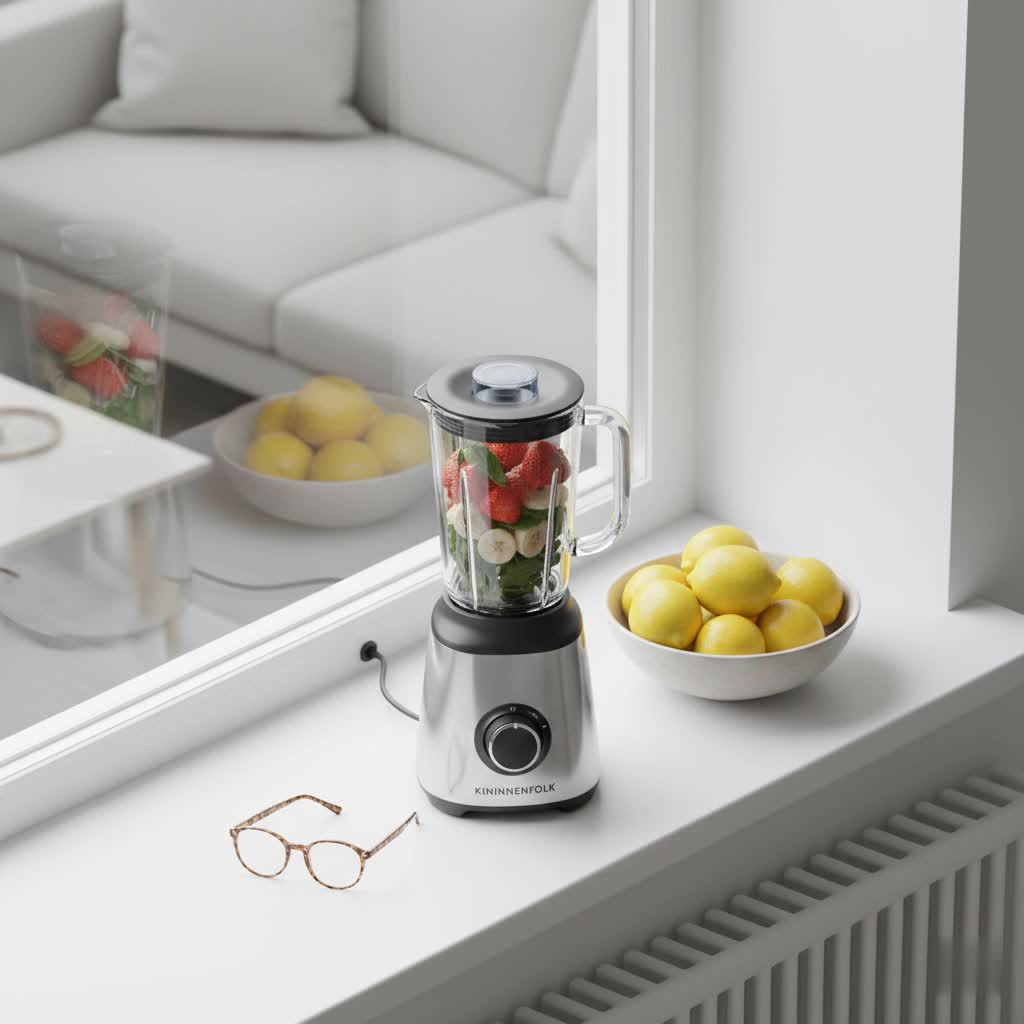
In today’s fast-paced world, efficiency in the kitchen is key. Nobody wants a cluttered countertop filled with single-purpose gadgets. That’s where a high-quality blender steps in, offering the convenience and power to tackle a surprising array of food processing challenges, often making it a smarter, space-saving investment for any home chef.
Understanding Your Blender’s Capabilities: Beyond Smoothies
When you hear “blender,” silky smoothies and creamy soups often come to mind. While blenders excel at these tasks, their true potential for food processing extends much further. Think of your blender as a dynamic tool, capable of transforming raw ingredients into perfectly textured components for almost any dish.
What Exactly Can a Blender “Process”?
A versatile blender for food processing can perform a surprising number of tasks typically associated with a dedicated food processor.
- Pureeing and Soups: This is where blenders truly shine. With their powerful motors and rapid blade rotation, blenders create incredibly smooth, velvety purees. Imagine transforming roasted vegetables into a luscious soup or making the finest baby food with absolute control over consistency. High-powered blenders effortlessly pulverize fibrous ingredients, ensuring a silky finish every time.
- Sauces, Dips, and Spreads: From zesty pestos and robust marinara sauces to creamy hummus and rich nut dips, your blender is an invaluable asset. It can emulsify oils and liquids beautifully, creating stable and consistent textures for salad dressings and mayonnaise that would be tough to achieve by hand.
- Nut Butters and Flours: Ever thought of making your own almond flour or peanut butter? A strong blender can grind nuts and grains into fine flours or luxurious, smooth nut butters. The key is using the right technique and patience, allowing the natural oils to release for that perfect spreadable consistency.
- Chopping and Mincing: While not its primary design, a blender can chop and mince ingredients like onions, garlic, herbs, and even cooked meats. The trick is to use the pulse function in short bursts, carefully monitoring the texture to prevent over-processing into a liquid or paste. It’s fantastic for quickly preparing ingredients for salsas or stir-fries.
- Emulsifying: Creating perfectly emulsified sauces and dressings requires incorporating two immiscible liquids evenly. A blender’s vortex action is ideal for this, continuously drawing ingredients into the blades to create a stable and smooth emulsion. Think of homemade mayonnaise or a classic vinaigrette – your blender makes it effortlessly consistent.
|
Our Picks for the Best Food Blender in 2026
As an Amazon Associate I earn from qualifying purchases.
|
||
| Num | Product | Action |
|---|---|---|
| 1 | BLACK+DECKER PowerCrush Multi-Function Blender with 6-Cup Glass Jar, 4 Speed Settings, Silver |

|
| 2 | Turelar Immersion Blender Handheld Corded Hand Blenders Set 1100W, Trigger Variable Speed 5 in 1 Stick Emulsifier with Chopper, Whisk and Frother for Soup, Baby Food and Smoothies |
|
| 3 | nutribullet Personal Blender, Shakes, Smoothies, Food Prep, and Frozen Blending, 24 Ounces, 600 Watt, Gray, NBR-0601WM |
|
| 4 | Ninja BR201AMZ Professional Blender 2.0, 1200 Watts, Auto-iQ Program, Total Crushing Blades, 72-oz. Pitcher, 4 Manual Speeds for Smoothies, Shakes, and Frozen Drinks, Dishwasher-Safe Parts, Dark Grey |
|
| 5 | Hamilton Beach Power Elite Wave Action Blender For Smoothies, 40 Oz Glass Jar, 12 Functions Including Puree, Crush Ice, 700 Watts - Black (58148A) |
|
| 6 | Ninja BN701 Professional Plus Blender, 1400 Peak Watts, 3 Functions for Smoothies, Frozen Drinks & Ice Cream with Auto IQ, 72-oz.* Total Crushing Pitcher & Lid, Dark Grey |
|
| 7 | Hamilton Beach Electric Vegetable Chopper & Mini Food Processor, 3-Cup, 350 Watts, for Dicing, Mincing, and Puree, Black (72850) |
|
| 8 | Ninja Mega Kitchen System, 1500W, 72 oz. Full-Size Blender & 8-Cup Food Processor with (2) 16 oz. Cups , Black, BL770 |
|
| 9 | Aeitto Blenders for Kitchen 1800W Max Power Smoothie Blender with 68Oz. Jar, 3 Preset Programs & 7 Speeds, Professional Countertop Blender for Smoothies, Ice Crush, Frozen Drinks, Silver |
|
| 10 | SUNVIVIPRO 1000W Professional Hand Blender, 12-Speed Heavy Duty Immersion Blender with 10 Attachments, 20OZ Food Chopper, Stainless Steel Whisk, Milk Frother for Commercial Use |
|
Blender vs. Food Processor: Debunking the Myths
The age-old kitchen debate: blender or food processor? While they share some overlapping functions, understanding their core strengths is crucial for optimizing your food processing. As Chef Amelia Chen, a renowned culinary instructor, often advises, “Choosing the right tool for the job is the first step to culinary success. Both have their place, but a capable blender can often cover more ground than you think.”
When a Blender Shines
Blenders, with their tall, narrow jars and high-speed, upward-angled blades, are engineered to create a powerful vortex. This design is perfect for:
- Liquids and Smooth Consistencies: Any recipe that requires a liquid base and a super-smooth finish is a blender’s domain. Smoothies, milkshakes, pureed soups, and thin batters are effortlessly rendered velvety smooth.
- Crushing Ice: High-powered blenders make quick work of ice, turning it into snow-like consistency for frozen drinks and cocktails without straining the motor.
- Emulsification: The continuous flow created by the vortex is ideal for thoroughly combining ingredients and preventing separation.
When a Food Processor Takes the Lead
Food processors, characterized by wider bowls, S-shaped blades, and often multiple discs (slicing, shredding, grating), excel at:
- Precise Chopping and Slicing: They are unmatched for uniformly chopping vegetables, dicing, and consistently slicing or shredding ingredients like cheese, potatoes, or cabbage.
- Handling Dry and Bulky Ingredients: With less reliance on liquid, food processors easily manage drier, tougher, or larger quantities of ingredients, like making breadcrumbs from stale bread or kneading dough.
- Batch Processing: Their larger, wider bowls are often more suitable for processing bigger batches of solid ingredients without needing to work in stages.
The “Can You Swap?” Question: A Practical Look
While a blender can step in for many food processor tasks, it’s about managing expectations. A blender can chop vegetables, but it’s less likely to yield perfectly uniform pieces and might lean towards a more watery or paste-like consistency if over-processed. Conversely, a food processor can purée, but achieving the silky-smoothness of a high-end blender for soups or drinks can be a challenge. For truly chunky results, like a hearty salsa, a food processor’s slower blade speed and wider bowl are often superior. However, for a liquidy salsa, your blender is the champion. Many modern kitchens now embrace blender-food processor combo units or specialized attachments, offering the best of both worlds without sacrificing counter space.
Key Features to Look For in a Blender for Food Processing
Choosing the right blender for food processing isn’t just about brand names; it’s about understanding the features that truly matter for versatility and performance.
Motor Power and Speed Settings
A powerful motor (1000 watts or higher is a good benchmark) is non-negotiable for serious food processing. It ensures your blender can handle tough ingredients like nuts, frozen fruits, or fibrous vegetables without overheating or stalling. Variable speed settings are equally crucial, giving you precise control from a gentle stir to a high-speed pulverize.
Blade Design and Durability
While blender blades are generally less “sharp” than food processor blades, their design is key. High-quality stainless steel blades that are strategically angled create the necessary vortex and withstand constant use. Some advanced blenders feature multiple blade levels or specialized designs to improve processing efficiency.
Jar Capacity and Material
Consider your typical batch sizes. A 48-ounce to 64-ounce jar is a great all-rounder for most families. Blender jars come in various materials:
- Glass: Offers a classic feel and doesn’t absorb odors, but can be heavy and prone to breaking.
- Plastic (BPA-free Tritan): Lightweight, durable, and shatter-resistant, making it a popular choice.
- Stainless Steel: Excellent for retaining temperature (hot or cold) but opaque, so you can’t monitor progress visually.
Pulse Function: Your Best Friend for Precision
For any food processing task requiring control over texture – think chopping nuts, mincing garlic, or making chunky salsa – the pulse function is your most valuable asset. It allows for short, powerful bursts of blending, preventing over-processing and ensuring you achieve exactly the consistency you desire.
Attachments and Combo Systems
Many brands now offer blenders with dedicated food processor attachments or integrated kitchen systems. These “blender food processor combo” units are fantastic for maximizing functionality while minimizing countertop clutter. Look for systems that come with different blades (S-blade for chopping, slicing/shredding discs) and vary in bowl sizes to truly expand your processing capabilities.
Expert Tips: Maximizing Your Blender’s Food Processing Potential
As someone who’s blended everything from hot sauces to homemade flour, I can tell you that a few simple techniques can dramatically improve your food processing results.
The “Liquid First” Rule
This is the golden rule for most blending tasks, especially when using a traditional blender for food processing. Always add liquids (water, broth, juice, oil) to the blender jar first, followed by softer ingredients, and finally, hard or frozen items. This allows the blades to create an efficient vortex, drawing solids down and preventing air pockets or uneven blending.
Batch Size Matters
While you might be tempted to load up your blender, resist the urge to overfill it. Blenders work best when ingredients have room to circulate freely. Overloading can strain the motor, lead to uneven processing, and even result in a less desirable texture. Process in smaller batches if necessary.
Mastering the Pulse for Perfect Texture
The pulse button is your secret weapon for precision. Instead of continuous blending, use short, controlled pulses. For chopping, pulse a few times, then check the consistency. Repeat until you reach your desired texture. This method gives you ultimate control, especially when you want chunky results rather than a smooth puree.
Handling Hot Ingredients Safely
Blending hot soups or sauces requires caution. Always fill the blender jar only halfway to account for expansion, and remove the center cap from the lid (or slightly crack the lid) to allow steam to escape. Start on the lowest speed and gradually increase. This prevents pressure buildup, which can cause the lid to blow off and create a dangerous mess.
Cleaning and Maintenance
To keep your blender running optimally, clean it immediately after use. For most tasks, a quick rinse, followed by filling the jar halfway with warm water and a drop of dish soap, then blending on high for 30 seconds, does the trick. Rinse again, and it’s sparkling clean. Regular cleaning prevents food particles from drying and sticking, which can be tough to remove and potentially damage blades or seals over time.
Why a Blender for Food Processing is a Smart Kitchen Investment
Embracing your blender for diverse food processing tasks offers significant benefits for any home kitchen.
Space-Saving Solutions
In kitchens where counter space is precious, a versatile blender eliminates the need for multiple bulky appliances. A single, powerful blender, perhaps with an attachment or two, can replace a dedicated food processor, a spice grinder, and even a stand mixer for certain tasks.
Cost-Effectiveness
Investing in one high-quality, multi-functional blender is often more economical than buying separate appliances for blending, chopping, and grinding. Over time, this smart purchase provides excellent value for money.
Versatility and Efficiency
From quick meal prep like mincing garlic or chopping onions to crafting gourmet sauces and homemade flours, a good blender streamlines your cooking process. It empowers you to experiment with new recipes, prepare fresh ingredients, and enjoy healthier, homemade meals with unparalleled efficiency.
Frequently Asked Questions (FAQ)
Can a blender chop vegetables like a food processor?
Yes, a blender can chop vegetables, but usually with some limitations. For best results, cut vegetables into smaller, uniform pieces and use the pulse function in short bursts. Expect a slightly less uniform chop than a dedicated food processor, and be careful not to over-process, which can lead to a watery consistency.
What’s the best blender for making nut butter?
For making nut butter, you’ll need a high-powered blender (1000 watts or more) with a strong motor and a tamper. Brands like Vitamix or Blendtec are often recommended due to their ability to process thick, dense ingredients without overheating. You’ll typically blend for several minutes, stopping to scrape down the sides and use the tamper to keep ingredients moving.
Can I make dough in a blender?
Some high-powered blenders or blender-food processor combo units can mix or even knead dough, especially softer doughs like pizza or pie crust. However, a dedicated food processor with a dough blade or a stand mixer is generally more effective for kneading bread dough consistently. Always check your blender’s manual for specific recommendations.
Is it safe to blend hot soup in a blender?
Yes, but with precautions. Never fill the blender jar more than halfway, and always remove the center cap from the lid (or crack the lid slightly) to allow steam to escape. Start blending on the lowest speed and gradually increase to prevent pressure buildup.
How do I clean my blender after food processing?
For easy cleanup, rinse the blender jar immediately after use. Then, fill it halfway with warm water, add a drop of dish soap, secure the lid, and run it on high speed for 30-60 seconds. Rinse thoroughly afterward. This method typically removes most residue, especially sticky or oily ingredients.
Conclusion
The humble blender has evolved into an indispensable ally for food processing, offering a world of culinary possibilities beyond your morning smoothie. With its power, precision, and surprising versatility, a quality blender empowers you to chop, purée, grind, and emulsify with ease, transforming complex recipes into achievable kitchen triumphs. Embrace the full potential of your blender for food processing, and get ready to unlock new levels of creativity and efficiency in your daily cooking. Here at Bzzgw.com, we’re confident that once you master these techniques, your kitchen will never be the same again. Happy blending!
