Are you tired of cluttered countertops and complicated kitchen gadgets that promise the world but deliver only frustration? As someone who’s spent over 15 years knee-deep in the world of kitchen appliances, especially blenders, I can confidently tell you that the humble Hand Food Blender is often the most overlooked yet incredibly powerful tool in any culinary arsenal. It’s compact, versatile, and, quite frankly, a game-changer for daily meal prep. At Bzzgw.com, we believe that understanding your tools is the first step to truly mastering your kitchen, and today, we’re diving deep into everything a hand food blender can do for you.
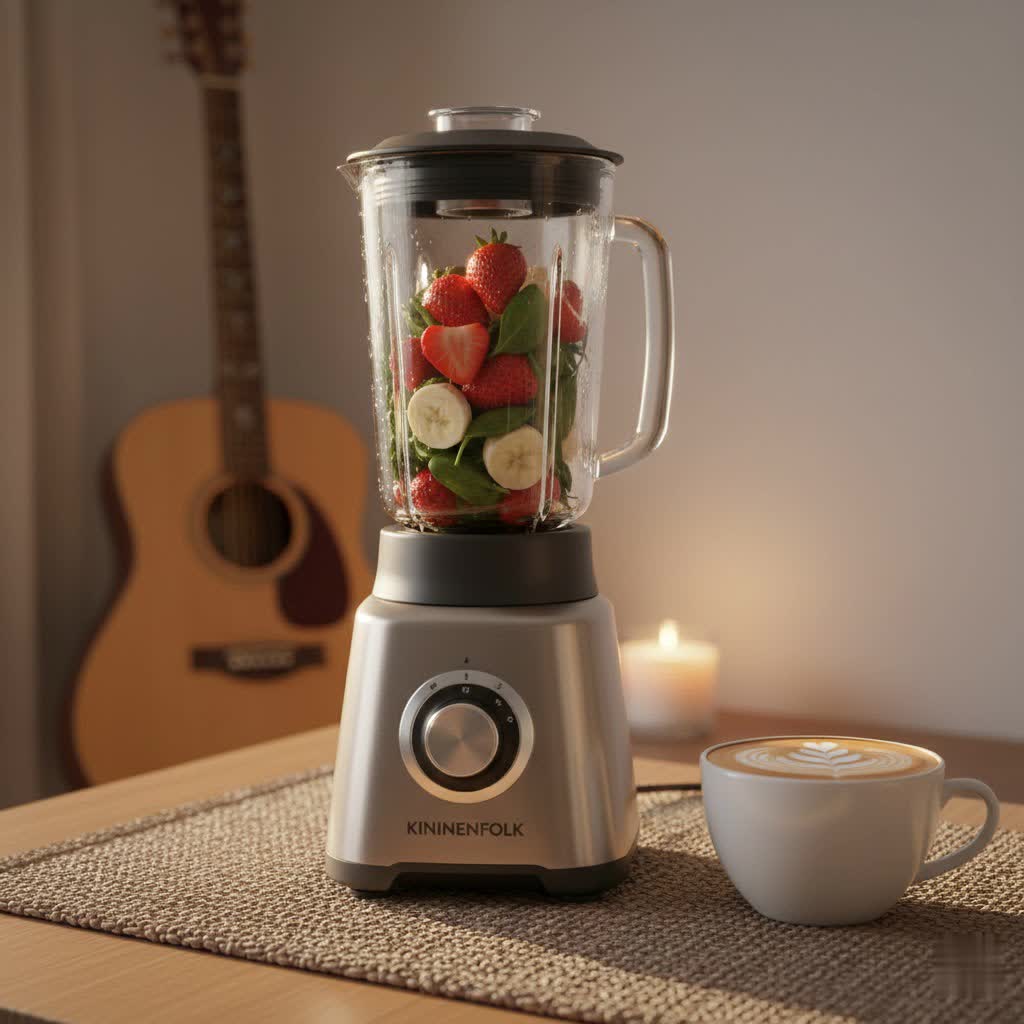
What Exactly is a Hand Food Blender (Also Known as an Immersion Blender)?
|
Our Picks for the Best Food Blender in 2026
As an Amazon Associate I earn from qualifying purchases.
|
||
| Num | Product | Action |
|---|---|---|
| 1 | Ninja BR201AMZ Professional Blender 2.0, 1200 Watts, Auto-iQ Program, Total Crushing Blades, 72-oz. Pitcher, 4 Manual Speeds for Smoothies, Shakes, and Frozen Drinks, Dishwasher-Safe Parts, Dark Grey |

|
| 2 | Hamilton Beach Electric Vegetable Chopper & Mini Food Processor, 3-Cup, 350 Watts, for Dicing, Mincing, and Puree, Black (72850) |
|
| 3 | BLACK+DECKER PowerCrush Multi-Function Blender with 6-Cup Glass Jar, 4 Speed Settings, Silver |
|
| 4 | SUNVIVIPRO 1000W Professional Hand Blender, 12-Speed Heavy Duty Immersion Blender with 10 Attachments, 20OZ Food Chopper, Stainless Steel Whisk, Milk Frother for Commercial Use |
|
| 5 | nutribullet Personal Blender, Shakes, Smoothies, Food Prep, and Frozen Blending, 24 Ounces, 600 Watt, Gray, NBR-0601WM |
|
| 6 | Ninja Mega Kitchen System, 1500W, 72 oz. Full-Size Blender & 8-Cup Food Processor with (2) 16 oz. Cups , Black, BL770 |
|
| 7 | Turelar Immersion Blender Handheld Corded Hand Blenders Set 1100W, Trigger Variable Speed 5 in 1 Stick Emulsifier with Chopper, Whisk and Frother for Soup, Baby Food and Smoothies |
|
| 8 | Ninja BN701 Professional Plus Blender, 1400 Peak Watts, 3 Functions for Smoothies, Frozen Drinks & Ice Cream with Auto IQ, 72-oz.* Total Crushing Pitcher & Lid, Dark Grey |
|
| 9 | Hamilton Beach Power Elite Wave Action Blender For Smoothies, 40 Oz Glass Jar, 12 Functions Including Puree, Crush Ice, 700 Watts - Black (58148A) |
|
| 10 | Aeitto Blenders for Kitchen 1800W Max Power Smoothie Blender with 68Oz. Jar, 3 Preset Programs & 7 Speeds, Professional Countertop Blender for Smoothies, Ice Crush, Frozen Drinks, Silver |
|
Let’s clear up the lingo first. A hand food blender, often referred to as an immersion blender, stick blender, or even a wand blender, is a truly ingenious piece of kitchen technology. Picture a long, slender handle housing a motor and controls, with a shaft extending downwards, ending in a set of sharp blades typically protected by a bell-shaped guard. Unlike traditional countertop blenders that require you to transfer ingredients into a specific jug, a hand food blender brings the blending power directly to your pot, bowl, or even a simple mixing cup. It’s designed for convenience, allowing you to whip up creations without the extra fuss.
Why Every Kitchen Needs a Hand Food Blender: Unbeatable Benefits
From bustling family kitchens to compact urban apartments, the benefits of incorporating a hand food blender into your routine are simply undeniable.
Space-Saving & Portability
One of the most immediate advantages of a hand food blender is its minimal footprint. It’s a “one size fits all” kind of tool, offering a multitude of functions without demanding prime counter space. Easily stored in a drawer or hung on a wall, it’s also incredibly portable, making it perfect for taking on holiday to make the most of local ingredients.
Convenience & Ease of Use
The sheer convenience is paramount. Imagine blending a creamy soup directly in the pot it was cooked in, or a vibrant smoothie right in your drinking glass. This “blender goes into the food” approach eliminates the need for transferring hot liquids, significantly reducing steps and potential mess. Many models are straightforward, often requiring just a press of a button to get started, making them ideal even for beginner cooks.
Less Mess, Easier Cleanup
Fewer containers mean less mess. Because you’re blending directly in your cooking vessel, you cut down on dirty dishes. The detachable shafts of most hand food blenders are often dishwasher-safe, and a quick rinse in warm, soapy water is usually enough to get the blades sparkling clean. This ease of cleaning is a huge win, especially after a busy cooking session.
Versatility & Multi-Tasking Mastery
Don’t let its size fool you; a hand food blender is a true kitchen multi-tasker. Many models come with additional attachments like whisks, mini food processor bowls, and blending beakers, transforming them into all-in-one machines. They can effectively blend, puree, emulsify, whisk, and even chop, handling tasks from soft fruits to firmer vegetables. As Dr. Elara Vance, Culinary Engineer at Bzzgw Labs, often says, “A well-designed hand food blender isn’t just a gadget; it’s a kitchen’s adaptable backbone, ready for almost any culinary challenge.”
Enhanced Safety
Blending hot soups or sauces in a traditional blender can sometimes be a precarious affair, requiring careful transfer of piping hot liquids. With a hand food blender, you bypass this entirely, blending safely in the pot, reducing the risk of spills and burns.
Time-Saving Power
This magical stick-wand-immersion device genuinely saves hassle, effort, and time. Whether you’re quickly puréeing a vegetable side dish or batch-preparing baby food for the week, it streamlines many time-consuming jobs in the kitchen.
Unleash Your Culinary Creativity: What You Can Make
The possibilities with a hand food blender are truly endless, limited only by your imagination. Here are just a few ways this versatile tool can elevate your cooking:
Silky Smooth Soups & Sauces
This is where the hand food blender truly shines. Create velvety smooth tomato soups, rich butternut squash purees, or lump-free gravies and sauces right in the saucepan. No more transferring hot liquids to a bulky blender and back again.
Quick & Healthy Smoothies/Shakes
Perfect for single servings, you can blend your favorite fruits, veggies, and liquids into a delicious, nutrient-packed smoothie directly in your glass or a convenient blending beaker.
Homemade Dressings & Mayonnaise
Achieve perfectly emulsified vinaigrettes, creamy aiolis, and homemade mayonnaise with minimal effort. The narrow design of the blender head is ideal for creating stable emulsions.
Perfect Baby Food Purees
Parents, rejoice! The hand food blender is a lifesaver for preparing fresh, wholesome baby food. You can blend small portions of cooked fruits and vegetables to the perfect consistency for your little one.
Whipped Cream & Batters
With a whisk attachment, your hand food blender can whip cream to fluffy perfection or easily mix pancake and waffle batters, saving you from tedious manual whisking or hauling out a stand mixer for small jobs.
Chopping Nuts & Veggies (with attachments)
Many hand food blender kits include a mini chopper attachment. This turns your hand food blender into a compact food processor, ideal for finely chopping onions, garlic, herbs, or nuts for garnishes and recipes.
Choosing Your Perfect Hand Food Blender: A Buyer’s Guide
Selecting the right hand food blender can feel daunting with so many options available. Here’s what a seasoned pro like me looks for:
Power (Wattage): How Much Do You Really Need?
Wattage is a good indicator of blending power. Most hand food blenders range from 200W to 1000W.
- 200-250W: Sufficient for basic tasks like blending soft soups, milkshakes, or making dressings.
- 500W+: Recommended if you plan to tackle tougher ingredients such as frozen fruits, raw carrots, or light ice crushing. Higher wattage generally translates to greater efficiency and durability for demanding tasks.
Speed Settings: Control for Consistency
Basic models often feature one or two speeds (high and low). However, many modern hand food blenders offer variable speed settings, providing greater control over the final texture and consistency of your blends. This is particularly useful when you want to achieve a chunky salsa versus a silky-smooth puree.
Corded vs. Cordless: Power vs. Freedom
- Corded Hand Food Blenders: These are generally more powerful and offer continuous use without worrying about battery life. If your kitchen has ample outlets, a corded model provides reliable performance.
- Cordless Hand Food Blenders: Offering ultimate portability and freedom of movement, cordless models are fantastic for quick tasks where an outlet isn’t handy. However, they typically have less power and a limited run time, making them better for easily blendable substances like mayonnaise or frosting rather than heavy-duty chopping.
Attachments: Making it a Multi-Tool
Beyond the standard blending shaft, many hand food blender kits come with a range of accessories that expand their functionality:
- Whisk Attachment: Perfect for aerating eggs, whipping cream, or making light batters.
- Chopper Bowl/Mini Food Processor: Ideal for chopping smaller quantities of nuts, herbs, or vegetables.
- Blending Beaker/Cup: Often included, these tall, slender vessels are perfectly sized to ensure the blending head is fully submerged for efficient mixing.
Shaft Material & Blade Guard
Look for a blending shaft made of stainless steel. It’s more durable, resistant to warping, and easier to clean than plastic shafts. Additionally, ensure the blade guard (the bell-shaped part around the blades) is designed to minimize splashing and prevent scratching your pots and pans. Some budget models might lack this protective feature, requiring extra caution.
Ergonomics & Design
A comfortable grip and easy-to-press buttons are crucial. You’ll be holding and maneuvering this tool with one hand, so ensure it feels balanced and the controls are intuitively placed to prevent hand fatigue during use.
Tips for Safe and Effective Blending with Your Hand Food Blender
To get the most out of your hand food blender while ensuring safety and longevity, keep these tips in mind:
- Submerge Blades Fully: Always ensure the blending head is completely submerged in the liquid or food before starting. This prevents splattering and ensures efficient blending.
- Protect Your Cookware: Be mindful of the blender’s metal parts against non-stick coatings or softer plastic bowls. Some blenders have sharper edges on their bell housing, so blend carefully to avoid scratches.
- Don’t Over-Blend: While powerful, hand food blenders are typically designed for short bursts of blending. Many manufacturers recommend not exceeding two minutes of continuous use, with a resting period in between, to prevent motor overheating.
- Clean Immediately: For easier cleanup, rinse the blending shaft and attachments right after use. For sticky sauces or tougher residues, filling a cup with warm soapy water and running the blender briefly can work wonders.
Hand Blender vs. Traditional Blender/Food Processor: The Right Tool for the Job
While a hand food blender is incredibly versatile, it’s important to understand its place alongside other kitchen appliances.
- When to choose a hand food blender: For small batches, quick tasks, blending directly in the pot (especially hot liquids), emulsifying, and making single servings of smoothies or baby food. Its compact size and easy cleanup make it ideal for everyday convenience.
- When a larger appliance might be better: For crushing large quantities of ice, making very thick batters, processing large batches of food, or achieving an ultra-fine, consistent texture across a big volume, a traditional countertop blender or food processor might still be the preferred choice. They generally offer more raw power and larger capacities.
Frequently Asked Questions (FAQ)
Are hand blenders and immersion blenders the same?
Yes, absolutely! “Hand blender,” “immersion blender,” and “stick blender” are all terms used interchangeably to describe the same versatile kitchen appliance.
Can a hand food blender crush ice?
Many powerful hand food blenders can handle small amounts of ice, especially with higher wattage motors (500W+). However, for large quantities or rock-hard ice cubes, a traditional countertop blender typically performs better.
What wattage is best for a hand food blender?
For general light blending tasks like soups and dressings, 200-250 watts is usually sufficient. If you plan to blend frozen fruit, tougher vegetables, or occasionally crush ice, aim for 500 watts or higher for optimal performance.
How do I clean my hand food blender?
Most hand food blenders have detachable shafts that can be rinsed under the tap or placed in the dishwasher (check your specific model’s instructions). For the motor housing, simply wipe it clean with a damp cloth – never submerge it in water.
Can I use it in any pot?
Yes, you can use your hand food blender in most pots and bowls. Just be mindful of the material of your cookware. If you have non-stick pots, be careful not to scrape the bottom or sides with the metal blade guard. Using a blending cup (often included) can also be a good way to protect delicate surfaces.
Is a cordless hand food blender worth it?
A cordless hand food blender offers fantastic convenience and freedom of movement, making it great for quick tasks without needing to be near an outlet. However, they typically have less power and battery life than corded models. It’s worth it if portability and convenience are your top priorities for lighter blending tasks.
Conclusion
The hand food blender is far more than just another kitchen gadget; it’s a testament to how intelligent design can bring unparalleled convenience and versatility to your culinary endeavors. From whipping up a flawless hollandaise to puréeing a comforting bowl of soup directly in the pot, this compact powerhouse simplifies tasks, saves time, and encourages creative exploration in the kitchen. If you haven’t yet welcomed a hand food blender into your home, it’s high time you did. It’s an investment that will empower you to cook with greater ease and confidence, transforming your daily meals and solidifying its place as your kitchen’s true secret weapon. So go on, explore the endless possibilities, and share your delightful creations with the world!
