As the lead content creator here at Bzzgw.com, and with over 15 years immersed in the world of blenders, I’ve heard this question more times than I can count: “Can I use my blender as a food processor?” It’s a fantastic question, born from a desire for efficiency and perhaps a bit of counter space liberation! While blenders and food processors are distinct kitchen warriors, each with their own superpowers, the line between their capabilities can sometimes blur. Let’s dive in and uncover just how much your trusty blender can truly handle.
Blender vs. Food Processor: Understanding the Core Differences
At first glance, blenders and food processors might seem like close cousins, both designed to make quick work of ingredients. However, their fundamental design and purpose set them apart.
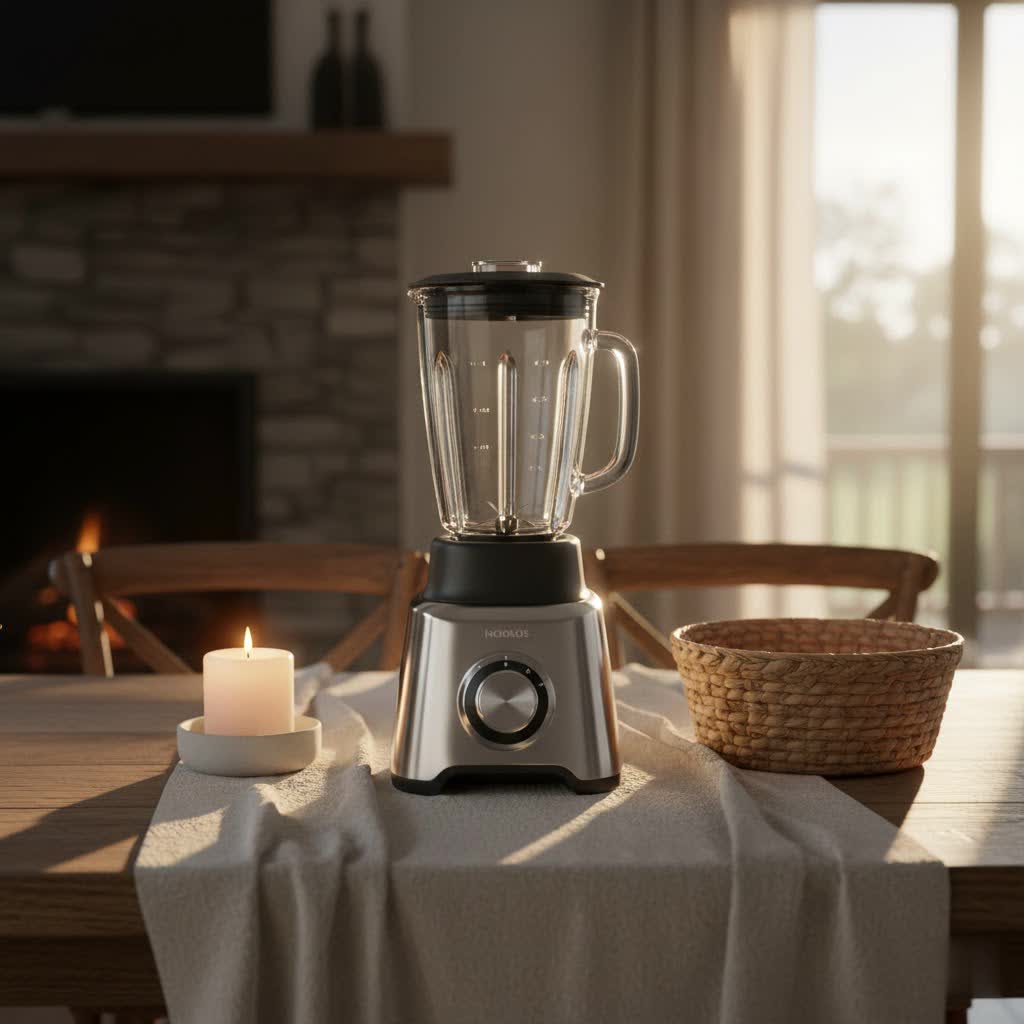
A blender is primarily engineered for liquids. Think smoothies, creamy soups, silky sauces, and crushing ice. Its tall, narrow jar and fixed blade assembly create a powerful vortex that pulls ingredients down, resulting in incredibly smooth, homogenous mixtures. The speed and design are optimized for liquifying.
A food processor, on the other hand, is built for solid food preparation. Its wider bowl, S-shaped blade, and often interchangeable discs (for slicing, grating, and shredding) are designed for tasks that require chopping, dicing, mincing, and kneading. It excels at breaking down ingredients into consistent pieces without necessarily liquifying them. It’s the ultimate prep chef, handling everything from tough nuts to delicate herbs with precision.
“Think of it this way,” advises Chef Julian Anh, a culinary expert and long-time Bzzgw.com contributor, “if you’re going to drink it, drizzle it, or dip it with a chip, a blender is usually your best bet. If you’re going to eat it with a fork or spoon, or need specific cuts, reach for the food processor.”
When Your Blender Can Step Up: Surprising Food Processing Tasks It Can Handle
While your blender won’t replace a dedicated food processor for every task, it’s remarkably versatile and can pinch-hit for several common food processing jobs. You just need to know the right techniques!
Chopping & Mincing (with a Twist)
|
Our Picks for the Best Food Blender in 2026
As an Amazon Associate I earn from qualifying purchases.
|
||
| Num | Product | Action |
|---|---|---|
| 1 | nutribullet Personal Blender, Shakes, Smoothies, Food Prep, and Frozen Blending, 24 Ounces, 600 Watt, Gray, NBR-0601WM |

|
| 2 | Ninja Mega Kitchen System, 1500W, 72 oz. Full-Size Blender & 8-Cup Food Processor with (2) 16 oz. Cups , Black, BL770 |
|
| 3 | SUNVIVIPRO 1000W Professional Hand Blender, 12-Speed Heavy Duty Immersion Blender with 10 Attachments, 20OZ Food Chopper, Stainless Steel Whisk, Milk Frother for Commercial Use |
|
| 4 | BLACK+DECKER PowerCrush Multi-Function Blender with 6-Cup Glass Jar, 4 Speed Settings, Silver |
|
| 5 | Ninja BR201AMZ Professional Blender 2.0, 1200 Watts, Auto-iQ Program, Total Crushing Blades, 72-oz. Pitcher, 4 Manual Speeds for Smoothies, Shakes, and Frozen Drinks, Dishwasher-Safe Parts, Dark Grey |
|
| 6 | Ninja BN701 Professional Plus Blender, 1400 Peak Watts, 3 Functions for Smoothies, Frozen Drinks & Ice Cream with Auto IQ, 72-oz.* Total Crushing Pitcher & Lid, Dark Grey |
|
| 7 | Turelar Immersion Blender Handheld Corded Hand Blenders Set 1100W, Trigger Variable Speed 5 in 1 Stick Emulsifier with Chopper, Whisk and Frother for Soup, Baby Food and Smoothies |
|
| 8 | Hamilton Beach Power Elite Wave Action Blender For Smoothies, 40 Oz Glass Jar, 12 Functions Including Puree, Crush Ice, 700 Watts - Black (58148A) |
|
| 9 | Aeitto Blenders for Kitchen 1800W Max Power Smoothie Blender with 68Oz. Jar, 3 Preset Programs & 7 Speeds, Professional Countertop Blender for Smoothies, Ice Crush, Frozen Drinks, Silver |
|
| 10 | Hamilton Beach Electric Vegetable Chopper & Mini Food Processor, 3-Cup, 350 Watts, for Dicing, Mincing, and Puree, Black (72850) |
|
Can a blender chop vegetables? Yes, to a degree! For tasks like quickly dicing onions, mincing garlic, or finely chopping herbs, your blender can be a real time-saver. The key is to use the “pulse” function – your absolute best friend when trying to Use Blender As Food Processor. Add small, consistent-sized pieces of your ingredient to the blender jar. Pulse in short bursts, no more than 1-2 seconds at a time, checking the consistency after each pulse. You’ll want to avoid holding down the blend button, as this quickly turns chops into a puree. For best results, use minimal to no liquid and don’t overload the jar.
Grinding Nuts & Seeds
Need nut flour for baking or a small batch of nut butter? Your blender can tackle this. For nut flours (like almond flour), ensure your nuts are completely dry. Add them to the blender and use short pulses. The goal is a coarse, flour-like consistency, not a paste. For nut butters, you’ll need a powerful blender and patience. The nuts will go from chopped to flour to a sticky ball, and eventually, with continuous blending (and sometimes the help of a tamper), into a smooth butter. Remember, blenders perform best with dry ingredients when pulsing, so keep a close eye on the texture.
Making Crumbs & Powders
Transforming stale bread into breadcrumbs or cookies into a pie crust base is a breeze in a blender. Simply break your dry ingredients into smaller pieces, add them to the blender, and pulse until you reach your desired crumb size. This also works wonderfully for making powdered sugar from granulated sugar – just add a touch of cornstarch to prevent clumping.
Thick Dips & Spreads
While food processors often shine with thick dips, blenders can certainly hold their own, especially high-powered models. Think hummus (with enough liquid to get things moving), pestos, or even a rustic, chunky salsa (again, using that pulse function!). The trick here is often incorporating just enough liquid to create a vortex without turning your dip into a soup. Scrape down the sides frequently to ensure all ingredients are incorporated evenly.
“Kneading” Small Batches of Dough
This is where things get a bit more nuanced. For very light doughs, like certain pancake batters or quick bread mixes, a blender can work for combining ingredients. However, it’s not designed for the heavy-duty kneading required for yeast breads or stiff pastry doughs. The blades and motor can quickly overheat, and you risk overworking the gluten, leading to tough results. If you’re attempting this, stick to small batches and quick pulses, observing the mixture closely.
The “Could” vs. “Should” Dilemma: Limitations to Consider
While your blender is a resourceful appliance, it’s crucial to understand its inherent limitations when attempting to use blender as food processor.
- Liquid Dependency: Blenders thrive on liquid. Many food processing tasks involve dry or semi-dry ingredients. Forcing a blender to process these without sufficient liquid often results in uneven chunks at the bottom and pulverized mush at the top, or worse, an overheated motor.
- Lack of Specialized Blades: Food processors come with a variety of blades and discs for specific tasks like slicing vegetables uniformly, shredding cheese, or grating carrots. Your blender has one fixed blade assembly, limiting its ability to achieve these varied textures and precise cuts.
- Inconsistent Results: The blender’s vortex action is fantastic for smoothness but less so for uniform chopping. You’ll often find some ingredients are perfectly minced while others remain large chunks. This is especially true for tasks like chopping nuts or herbs without enough liquid.
- Overheating Risk: Processing thick, dry, or very dense ingredients for extended periods can strain your blender’s motor, leading to overheating and potential damage.
- Capacity: Blender jars are typically tall and narrow, which means less surface area for processing solids. You’ll often have to work in smaller batches, which can be time-consuming for larger recipes.
Expert Tips for Maximizing Your Blender’s Food Processing Prowess
If you’re determined to use blender as food processor, here are some pro tips from the Bzzgw.com kitchen to help you achieve the best possible results:
- The “Pulse” Power is Your Best Friend: Forget continuous blending for chopping. The pulse button gives you control. Use short, sharp bursts and check the consistency often.
- Scrape Down Sides Regularly: Ingredients will inevitably stick to the sides of the jar. Pause, remove the lid, and use a spatula to push ingredients back towards the blades for more even processing.
- Add Liquid Sparingly (If Needed): If your ingredients are completely dry and stubbornly refusing to blend, add liquid one tablespoon at a time. Often, just a tiny bit is enough to create the necessary movement without turning everything into a puree.
- Don’t Overload: Smaller batches are key. Overloading the blender prevents proper circulation and results in uneven processing.
- Know Your Blender: High-powered blenders with stronger motors and more robust blades will naturally perform better on tougher “food processor” tasks than basic models.
- Use a Tamper (If Available): Many high-end blenders come with a tamper, a tool that allows you to push thick or frozen ingredients down towards the blades without stopping the motor. This is invaluable for making nut butters or thick dips.
What a Blender CANNOT Do (and Why You Might Still Need a Food Processor)
Despite its surprising versatility, there are some tasks where a blender simply cannot compete with a food processor. These are typically the domain of specialized attachments:
- Uniform Slicing and Grating: If you need perfectly thin cucumber slices, evenly shredded cheese, or julienned carrots, a food processor with its dedicated slicing and grating discs is indispensable. A blender will only chop or puree these.
- Kneading Large, Stiff Doughs: For bread doughs or large batches of pastry, the robust motor and specialized dough blade of a food processor are far superior. A blender will struggle, potentially overheat, and yield poor results.
- Making Finely Diced Mirepoix Without Turning It into a Paste: While you can chop onions and carrots in a blender, achieving that distinct, evenly diced mirepoix for soups and stews without over-processing some parts is nearly impossible.
Frequently Asked Questions (FAQ)
Can I chop vegetables in a blender?
Yes, you can chop vegetables like onions, garlic, and herbs in a blender, but it requires careful use of the “pulse” function to avoid creating a puree. Do it in small batches and scrape the sides frequently for the best results.
Is a blender good for making hummus?
A blender can certainly make hummus, especially if it’s a high-powered model. You’ll need to ensure there’s enough liquid (like tahini, lemon juice, or water) to help the blades create a smooth consistency, and you might need to stop and scrape down the sides a few times.
Can I grind coffee beans in a blender?
Yes, a blender can grind coffee beans. Use the “pulse” function in short bursts to achieve your desired grind consistency. However, a dedicated coffee grinder will typically offer a more consistent and even grind, which is crucial for optimal coffee flavor.
What is the pulse function for on a blender?
The pulse function provides short bursts of power at the blender’s highest speed. It’s essential for tasks where you need more control, such as chopping, mincing, or breaking down ingredients without fully pureeing them.
When should I definitely use a food processor instead of a blender?
You should definitely use a food processor for tasks requiring uniform slicing (e.g., potatoes, cucumbers), grating (e.g., cheese, carrots), shredding, or kneading large quantities of stiff dough. These are functions a blender cannot replicate.
Can I make nut butter in a blender?
Absolutely! Many powerful blenders excel at making nut butter from various nuts. It requires continuous blending, and often the use of a tamper, to break down the nuts into a smooth, creamy consistency. Be patient, as it can take several minutes.
Conclusion
Your blender is a remarkably versatile appliance, capable of handling far more than just smoothies and soups. By understanding its design, respecting its limitations, and employing smart techniques like pulsing and scraping, you can effectively use blender as food processor for many common kitchen tasks. It’s a testament to kitchen ingenuity! While a dedicated food processor offers unparalleled precision and versatility for certain jobs, don’t underestimate the “hidden potential” residing in your blender. Experiment with confidence, and let your kitchen creativity flourish, knowing that Bzzgw.com is always here to guide you on your blending journey.
