A food puree blender is a specialized kitchen appliance designed to transform ingredients into consistently smooth, lump-free textures, essential for gourmet soups, healthy smoothies, baby food, and specific dietary needs. Unlike general blenders, dedicated puree blenders excel in precision, ensuring optimal nutrient preservation and flavor. For example, a countertop model with at least 1000 watts or an immersion blender around 600 watts, paired with high-quality stainless steel blades, can turn fibrous vegetables into silken soups and tough meats into tender pates.
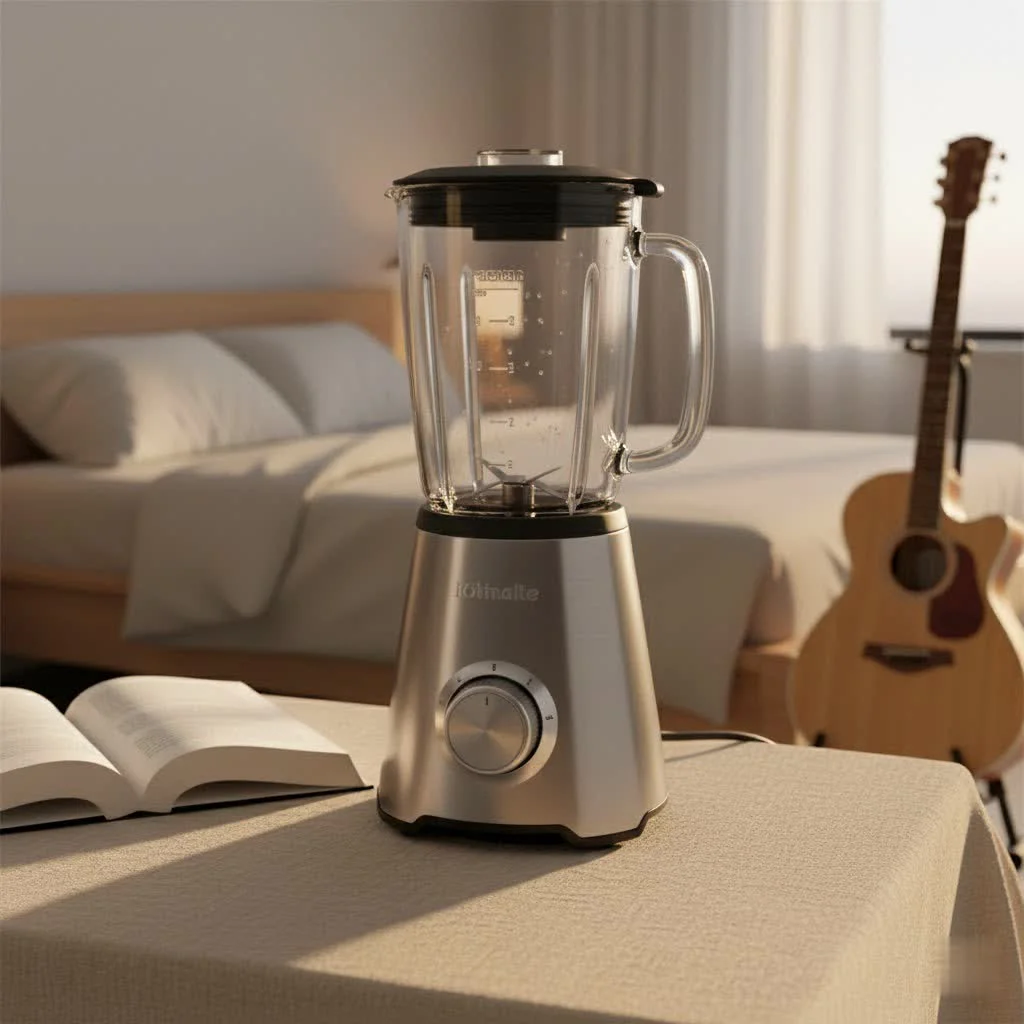
Pureeing food expands culinary possibilities beyond just baby food, elevating cooking, promoting healthier eating, and enabling precise textures for various dietary requirements. An exceptional food puree blender can transform ingredients while preserving nutrients and flavor. This guide will help you choose the perfect food puree blender to be a reliable kitchen companion. For see our kitchen appliances recommendations on this site.
Why a Dedicated Food Puree Blender is a Kitchen Essential
While many blenders claim to handle “everything,” a specialized food puree blender excels at transforming ingredients into consistently smooth, lump-free textures. This precision is vital, especially when preparing food for infants or individuals with specific dietary requirements. Imagine the satisfaction of serving a velvety smooth butternut squash soup or a perfectly pureed fruit medley, knowing you controlled every ingredient for optimal health and taste.
Beyond crafting baby food, a high-quality food puree blender is incredibly versatile. It can create smooth batters, emulsify dressings, grind nuts into butter, and even crush ice for refreshing drinks. It’s an investment that pays dividends in both convenience and culinary creativity, making meal preparation faster, easier, and much more enjoyable.
Decoding the Blend: Key Features of a Top-Tier Food Puree Blender
Selecting the right food puree blender involves looking beyond just aesthetics. It’s about understanding the engineering and design choices that contribute to superior performance and durability.
The Power Behind the Puree: Motor Strength and Blade Design
At the heart of every great food puree blender lies a robust motor. Measured in watts or horsepower, a more powerful motor directly translates to smoother purees, especially when dealing with tough or fibrous ingredients like kale, raw carrots, or frozen fruits. For silky-smooth results, aim for a countertop food puree blender with at least 1000 watts of power or an immersion food puree blender around 600 watts. Paired with high-quality stainless steel blades, this power ensures ingredients are thoroughly broken down without leaving undesirable chunks. Innovative blade designs, often multi-tiered or uniquely angled, create a powerful vortex that pulls ingredients efficiently into the blending zone, guaranteeing an even consistency.
Sizing Up Your Needs: Capacity and Convenience
|
Our Picks for the Best Food Blender in 2026
As an Amazon Associate I earn from qualifying purchases.
|
||
| Num | Product | Action |
|---|---|---|
| 1 | nutribullet Personal Blender, Shakes, Smoothies, Food Prep, and Frozen Blending, 24 Ounces, 600 Watt, Gray, NBR-0601WM |

|
| 2 | BLACK+DECKER PowerCrush Multi-Function Blender with 6-Cup Glass Jar, 4 Speed Settings, Silver |
|
| 3 | SUNVIVIPRO 1000W Professional Hand Blender, 12-Speed Heavy Duty Immersion Blender with 10 Attachments, 20OZ Food Chopper, Stainless Steel Whisk, Milk Frother for Commercial Use |
|
| 4 | Ninja BR201AMZ Professional Blender 2.0, 1200 Watts, Auto-iQ Program, Total Crushing Blades, 72-oz. Pitcher, 4 Manual Speeds for Smoothies, Shakes, and Frozen Drinks, Dishwasher-Safe Parts, Dark Grey |
|
| 5 | Ninja Mega Kitchen System, 1500W, 72 oz. Full-Size Blender & 8-Cup Food Processor with (2) 16 oz. Cups , Black, BL770 |
|
| 6 | Aeitto Blenders for Kitchen 1800W Max Power Smoothie Blender with 68Oz. Jar, 3 Preset Programs & 7 Speeds, Professional Countertop Blender for Smoothies, Ice Crush, Frozen Drinks, Silver |
|
| 7 | Turelar Immersion Blender Handheld Corded Hand Blenders Set 1100W, Trigger Variable Speed 5 in 1 Stick Emulsifier with Chopper, Whisk and Frother for Soup, Baby Food and Smoothies |
|
| 8 | Hamilton Beach Electric Vegetable Chopper & Mini Food Processor, 3-Cup, 350 Watts, for Dicing, Mincing, and Puree, Black (72850) |
|
| 9 | Hamilton Beach Power Elite Wave Action Blender For Smoothies, 40 Oz Glass Jar, 12 Functions Including Puree, Crush Ice, 700 Watts - Black (58148A) |
|
| 10 | Ninja BN701 Professional Plus Blender, 1400 Peak Watts, 3 Functions for Smoothies, Frozen Drinks & Ice Cream with Auto IQ, 72-oz.* Total Crushing Pitcher & Lid, Dark Grey |
|
The ideal capacity for your food puree blender depends entirely on your cooking habits. Are you whipping up single-serving smoothies on the go, making fresh baby food daily, or preparing large batches of soup for the entire family?
- Personal Blenders/Small Batch Jars: Perfect for individual portions, these compact options are great for quick purees, smoothies, and dressings. Many countertop blenders offer expansion packs with smaller jars for this purpose.
- Standard Pitchers (4-8 cups): These are the workhorses for everyday blending, suitable for family-sized meals, dips, and medium batches of baby food.
- Large Capacity Blenders (64-72 oz): If you plan to batch-cook, freeze portions, or entertain frequently, a large-capacity food puree blender is invaluable.
Materials Matter: Safety, Durability, and Easy Care
When it comes to food preparation, the materials your food puree blender is made from are crucial. Look for:
- BPA-Free Plastics: Essential for health, especially for baby food. Most reputable brands now adhere to this standard.
- Glass Jars: An excellent alternative for those who prefer to avoid plastic entirely, offering durability and resistance to odors and stains.
- Stainless Steel Blades: Not just for sharpness, but also for corrosion resistance and longevity.
- Dishwasher-Safe Components: A huge time-saver! Many jars, lids, and even blades are designed for easy cleaning, making post-blending cleanup a breeze. Some advanced models even feature self-cleaning functions.
Precision at Your Fingertips: Speed Settings and Controls
Achieving the perfect puree texture, from a delicate liquid to a slightly chunky consistency, requires control.
- Variable Speeds: A range of speeds allows you to start slow to incorporate ingredients, then ramp up to high for a super-smooth finish.
- Pulse Function: This is your best friend for quickly chopping, stirring, or breaking down larger pieces, giving you precise control over texture.
- Pre-programmed Settings: Features like “Ice Crush,” “Smoothie,” or “Soup” settings simplify operation, automatically adjusting speed and duration for optimal results. Advanced blenders might even include a “Soft Start® Feature” that begins at a slower speed to prevent splashing before accelerating.
More Than Just Blending: Smart Attachments and Multifunctionality
Many modern food puree blenders come with a suite of accessories that expand their utility. Look for:
- Chopper Bowls: Great for turning your immersion blender into a mini food processor.
- Whisk Attachments: For whipping creams or aerating sauces.
- Steaming Baskets: Especially common in dedicated baby food makers, allowing you to cook and blend in one unit.
- Tampers: For countertop blenders, these help push thick or frozen ingredients towards the blades for a smoother blend.
- Storage Solutions: Individual serving cups with lids or freezer trays are a fantastic bonus, particularly for parents making homemade baby food.
Choosing Your Puree Powerhouse: Types of Food Puree Blenders
The market offers a diverse range of blenders, each with unique strengths. Understanding these types will help you narrow down your choice.
Countertop Blenders: The Heavyweights
These are the powerhouses of the blending world, often featuring robust motors and large pitchers. Ideal for handling substantial quantities, crushing ice, and tackling tough ingredients, they are a versatile choice for a busy family kitchen. Brands like Ninja Foodi and Vitamix consistently rank high for their ability to deliver ultra-smooth purees and handle diverse tasks. Some models even boast thermal control jars, allowing you to blend hot soups directly from the pot without cooling, and keeping them warm until serving. Their primary downsides are often their size, taking up considerable counter space, and their noise level, which can be significant during operation.
Immersion Blenders: The Agile All-Rounders
Also known as hand blenders or stick blenders, these compact appliances are incredibly convenient. Their greatest advantage is the ability to blend directly in the pot, bowl, or even a glass, making them perfect for pureeing hot soups without transferring, or whipping up a quick sauce. They excel at smaller tasks and offer easier cleanup for those quick culinary moments. While generally less powerful than their countertop counterparts, high-quality immersion blenders, such as the Vitamix Immersion Blender or Sage Spoonfuls Baby Puree & Blend, offer surprising power and variable speed control. When choosing, consider the length of the blending arm; an 8-inch arm is good for most tasks, but a 12-inch arm provides better reach for deeper pots.
Dedicated Baby Food Makers: The Nurturing Niche
For new parents focused specifically on homemade baby food, dedicated baby food makers are a major upgrade. These all-in-one systems often combine steaming and blending functions, allowing you to cook ingredients and then puree them in the same unit. They typically feature baby-safe, BPA-free materials and come with specialized accessories like portioned storage containers. Brands like Baby Brezza, BEABA Babycook Neo, and Nutribullet Baby are popular choices. While incredibly convenient for infant purees, their smaller capacity and specialized design mean they might be less versatile for general kitchen use once your child moves to solid foods.
Expert Tips for Achieving the Perfect Puree Consistency
As a blender expert, I’ve picked up a few tricks over the years to ensure your purees are consistently perfect.
- Preparation is Key: Always cut ingredients into uniformly small pieces to ensure even blending. For most vegetables and some fruits, steaming, boiling, or roasting them until very tender is crucial before blending.
- Add Liquid Gradually: Don’t start with too much! Use water, broth, milk, or breast milk/formula to thin your puree to the desired consistency. Add a little at a time and blend, checking the texture as you go.
- Start Slow, Then Go Fast: Begin blending on a low speed to incorporate ingredients, then gradually increase to a higher speed for a smoother finish. Use the pulse function for better control over chunkiness.
- Avoid Overfilling: Never fill your blender beyond the maximum fill line. Overfilling can lead to ineffective blending and potential messes.
- Use a Tamper (if provided): For thicker purees in countertop blenders, a tamper helps push ingredients into the blades without adding excess liquid, ensuring a smooth result.
As Dr. Evelyn Reed, a renowned culinary technologist, wisely puts it, “The secret to an incredibly smooth puree lies in patience and proper hydration. Don’t rush the process, and always ensure your ingredients are adequately cooked and moistened before blending for that velvety finish.”
Frequently Asked Questions (FAQ)
Q1: Is a high wattage motor essential for a good food puree blender?A: Yes, generally, a higher wattage motor indicates more power, which is crucial for achieving consistently smooth purees, especially from tougher ingredients like raw vegetables, nuts, or frozen fruits. It prevents the motor from straining and ensures a finer blend.
Q2: Can I puree hot soups directly in any food puree blender?A: You can puree hot soups directly in an immersion blender. For countertop blenders, it’s recommended to use models with specifically designed thermal-resistant jars and to only fill them halfway to allow for steam expansion. Always remove the center cap from the lid to vent steam and hold the lid down with a towel.
Q3: What’s the best way to store homemade purees?A: Homemade purees should be stored in airtight containers. They can be refrigerated for 2-3 days or frozen for up to a month. Freezing in ice cube trays is a popular method for portioning, then transferring the frozen cubes to a freezer bag or container.
Q4: How do I achieve different puree textures for varying dietary needs (e.g., babies, elderly)?A: Texture control is managed through blending time and liquid content. For smoother purees (babies, elderly), blend longer and add more liquid. For chunkier textures, blend for shorter durations, use the pulse function, and add less liquid. Gradually introduce texture as dietary needs evolve.
Q5: Are there any specific materials I should look for to ensure safety, especially for baby food?A: Absolutely. For baby food, always prioritize blenders made with BPA-free plastics or, even better, glass jars and stainless steel components. These materials ensure that no harmful chemicals leach into your child’s food, providing peace of mind.
Choosing the ideal food puree blender is a journey, but with the right information, it becomes an exciting exploration into culinary excellence. Whether you’re dedicated to nourishing your family with homemade baby food or crafting gourmet dishes, a reliable food puree blender will be an invaluable asset in your kitchen. to consider power, capacity, materials, and versatility when making your decision, and you’ll be well on your way to creating silky-smooth perfection every time. Visit Bzzgw.com for more expert insights and to discover the best blending tools for your culinary adventures. Happy pureeing!
Frequently Asked Questions
Is a high wattage motor essential for a good food puree blender?
Yes, a higher wattage motor is crucial for achieving consistently smooth purees, especially from tough ingredients like raw vegetables or frozen fruits. For example, a countertop blender should have at least 1000 watts, while an immersion blender needs around 600 watts for optimal performance.
Can I puree hot soups directly in any food puree blender?
You can puree hot soups directly in an immersion blender. For countertop blenders, use models with thermal-resistant jars and only fill them halfway to allow for steam expansion. Always remove the center cap from the lid to vent steam and hold the lid down with a towel for safety.
What is the best way to store homemade purees safely?
Homemade purees should be stored in airtight containers. They can be refrigerated for 2-3 days or frozen for up to a month. Freezing in ice cube trays is a popular method for portioning, then transferring the frozen cubes to a freezer bag or container.
How do I achieve different puree textures for varying dietary needs?
Texture control is managed through blending time and liquid content. For smoother purees, blend longer and add more liquid. For chunkier textures, blend for shorter durations, use the pulse function, and add less liquid. Gradually introduce texture as dietary needs evolve, such as for babies or the elderly.
What materials should I prioritize for a food puree blender, especially for baby food?
For baby food, always prioritize blenders made with BPA-free plastics or, even better, glass jars and stainless steel components. These materials ensure that no harmful chemicals leach into your child's food, providing peace of mind and promoting health.
Achieving the Perfect Puree Consistency
Follow these expert tips to ensure your purees are consistently smooth and perfect every time, whether for baby food or gourmet dishes.
Always cut ingredients into uniformly small pieces to ensure even blending. For most vegetables and some fruits, steaming, boiling, or roasting them until very tender is crucial before blending.
Don't start with too much liquid. Use water, broth, milk, or breast milk/formula to thin your puree to the desired consistency. Add a little at a time and blend, checking the texture as you go.
Begin blending on a low speed to incorporate ingredients, then gradually increase to a higher speed for a smoother finish. Use the pulse function for better control over chunkiness.
Never fill your blender beyond the maximum fill line. Overfilling can lead to ineffective blending and potential messes, compromising the quality of your puree.
For thicker purees in countertop blenders, a tamper helps push ingredients into the blades without adding excess liquid. This ensures a smooth result and prevents air pockets.
Cooking gear we tested in our own kitchens
Free PDF — preheat times measured on 10 popular air fryers.
I’ve been using an immersion blender for a while, and the recommendation for around 600 watts is pretty accurate. Mine is 650W and it’s fantastic for quick tasks like smoothies and even some sauces. The stainless steel blades really do make a difference in getting that lump-free texture. My only minor gripe is that for larger batches, I still prefer a countertop model.
This type of blender has been a game-changer for my dietary needs. I have to follow a specific diet that requires very smooth textures, and my old blender just couldn’t cut it. The precision and nutrient preservation are noticeable. I’m making healthier eating so much easier now, and the flavors are really coming through.
I bought a new blender hoping to make more baby food at home, and while it does a decent job, I’m a little disappointed with how it handles tougher meats. It gets them mostly smooth, but sometimes there are still tiny bits. I was expecting a truly tender pate texture as mentioned, so maybe I needed an even higher-end model than I got. It’s good for fruits and veggies though.
I finally upgraded to a dedicated food puree blender after struggling with my old one for years. This guide was spot on about the wattage; my new 1200-watt model makes the smoothest gourmet soups I’ve ever had. It handles fibrous vegetables like carrots and celery with no problem, turning them into a silky texture. Definitely worth the investment for anyone serious about cooking.