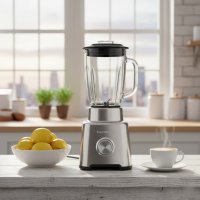
Welcome, fellow culinary enthusiasts! As an expert with over 15 years immersed in the world of kitchen appliances, and as a content creator for Bzzgw.com, I’m thrilled to dive deep into the unsung hero of countless kitchens: the food blender. This isn’t just another gadget; it’s a versatile powerhouse that can transform your cooking experience, turning raw ingredients into silky smooth concoctions, hearty purees, and perfectly blended meals. If you’ve ever wondered how to unlock its full potential, choose the right model, or simply keep yours running like new, you’re in the right place.
In this comprehensive guide, we’ll demystify everything from the raw power of a blender’s motor to the subtle nuances of blade design, ensuring you’re confident in both your purchase and your blending prowess. We’ll explore the different types of food blenders available, what features truly matter, and how to get the most out out of this essential kitchen appliance.
What is a Food Blender and Why Do You Need One?
A food blender is an electric kitchen appliance used to mix, puree, or emulsify food and other substances. Essentially, it consists of a blender jar with a rotating blade at the bottom, powered by a motor in the base. It’s your go-to for achieving creamy textures, combining ingredients seamlessly, and preparing a wide array of dishes from scratch. From nutrient-packed breakfast smoothies to sophisticated sauces and even homemade nut butter, a reliable food blender makes healthy eating and creative cooking more accessible than ever before.
Exploring the Different Types of Food Blenders
Not all food blenders are created equal, and understanding the distinct categories can significantly narrow down your choices when you’re looking to purchase a new one. Each type is designed with specific uses and user needs in mind, offering varied levels of power, capacity, and portability.
Countertop Blenders: The Kitchen Workhorse
What is a countertop blender best for? These are the most common and robust food blenders, featuring a powerful motor base and a large pitcher, typically made of glass, plastic, or stainless steel. They are ideal for households that regularly prepare smoothies, soups, sauces, and even crush ice. Their sturdy build and higher wattage mean they can handle tougher ingredients with ease, offering consistency and durability.
Immersion Blenders: The Handheld Helper
Why choose an immersion blender? Also known as a hand blender or stick blender, this compact tool is perfect for blending directly in a pot, bowl, or even a tall glass. If you frequently make pureed soups, sauces, or want to emulsify dressings without transferring hot liquids, an immersion food blender is invaluable. Its convenience and smaller footprint make it a favorite for quick tasks and saving on washing up.
Personal Blenders: Your On-the-Go Companion
|
Our Picks for the Best Food Blender in 2026
As an Amazon Associate I earn from qualifying purchases.
|
||
| Num | Product | Action |
|---|---|---|
| 1 | Hamilton Beach Power Elite Wave Action Blender For Smoothies, 40 Oz Glass Jar, 12 Functions Including Puree, Crush Ice, 700 Watts - Black (58148A) |

|
| 2 | SUNVIVIPRO 1000W Professional Hand Blender, 12-Speed Heavy Duty Immersion Blender with 10 Attachments, 20OZ Food Chopper, Stainless Steel Whisk, Milk Frother for Commercial Use |
|
| 3 | Hamilton Beach Electric Vegetable Chopper & Mini Food Processor, 3-Cup, 350 Watts, for Dicing, Mincing, and Puree, Black (72850) |
|
| 4 | nutribullet Personal Blender, Shakes, Smoothies, Food Prep, and Frozen Blending, 24 Ounces, 600 Watt, Gray, NBR-0601WM |
|
| 5 | BLACK+DECKER PowerCrush Multi-Function Blender with 6-Cup Glass Jar, 4 Speed Settings, Silver |
|
| 6 | Ninja Mega Kitchen System, 1500W, 72 oz. Full-Size Blender & 8-Cup Food Processor with (2) 16 oz. Cups , Black, BL770 |
|
| 7 | Ninja BR201AMZ Professional Blender 2.0, 1200 Watts, Auto-iQ Program, Total Crushing Blades, 72-oz. Pitcher, 4 Manual Speeds for Smoothies, Shakes, and Frozen Drinks, Dishwasher-Safe Parts, Dark Grey |
|
| 8 | Aeitto Blenders for Kitchen 1800W Max Power Smoothie Blender with 68Oz. Jar, 3 Preset Programs & 7 Speeds, Professional Countertop Blender for Smoothies, Ice Crush, Frozen Drinks, Silver |
|
| 9 | Ninja BN701 Professional Plus Blender, 1400 Peak Watts, 3 Functions for Smoothies, Frozen Drinks & Ice Cream with Auto IQ, 72-oz.* Total Crushing Pitcher & Lid, Dark Grey |
|
| 10 | Turelar Immersion Blender Handheld Corded Hand Blenders Set 1100W, Trigger Variable Speed 5 in 1 Stick Emulsifier with Chopper, Whisk and Frother for Soup, Baby Food and Smoothies |
|
When is a personal blender the best choice? Designed for single servings, personal blenders typically come with a smaller motor base and blend-and-go cups that double as drinking vessels. They are excellent for individuals who want to whip up a quick smoothie or protein shake before heading out the door, offering unparalleled convenience and portability.
High-Performance Blenders: The Professional’s Pick
What makes a high-performance blender different? These are the titans of the blending world, characterized by extremely powerful motors (often 1000 watts or more) and precision-engineered blade systems. They can pulverize virtually anything, from whole fruits and vegetables to grains and nuts, creating exceptionally smooth textures in minimal time. While they come with a higher price tag, their durability and versatility make them a worthwhile investment for serious home cooks and health enthusiasts.
Key Features to Look for in a Food Blender
Choosing the perfect food blender can feel overwhelming with the sheer number of options available. Focusing on these essential features will help you make an informed decision that aligns with your culinary habits.
- Motor Power (Wattage): How much power does a food blender need? This is crucial for performance. For basic blending (soft fruits, liquids), 300-500 watts might suffice. For daily smoothies with ice and frozen fruit, aim for 500-1000 watts. High-performance models typically offer 1000-1500+ watts, capable of tackling tough ingredients like nuts and fibrous vegetables.
- Blade Material and Design: What kind of blades are best for a food blender? Most quality blenders use stainless steel blades that are sharp and durable. Look for multi-tiered blade systems that create a powerful vortex, pulling ingredients down for more efficient blending.
- Jar Capacity and Material: Consider how much you typically blend. Pitcher sizes range from small (16-24 oz for personal blenders) to large (64 oz or more for countertop models). Jar materials include glass (heavy, scratch-resistant, but breakable), BPA-free plastic (lightweight, durable, but can scratch or retain odors over time), and stainless steel (durable, opaque, and excellent for temperature retention).
- Speed Settings and Pulse Function: Why are multiple speed settings important? Variable speed controls offer precision, allowing you to gradually increase speed for different textures. A pulse function is indispensable for quick bursts of power, perfect for chopping, dicing, or ensuring no chunks are left behind.
- Pre-set Programs: Some blenders come with pre-programmed settings for smoothies, ice crushing, or purees. These can simplify operation, ensuring optimal results with just one touch.
- Ease of Cleaning: Is a self-cleaning function important for a food blender? Many modern blenders offer dishwasher-safe parts or a self-cleaning function (blending warm water with a drop of soap). Easy disassembly and wide openings also make manual cleaning a breeze.
Tips for Maximizing Your Food Blender’s Potential
Getting the most out of your food blender goes beyond just pushing a button. With a few expert tips, you can extend its lifespan, achieve better results, and explore a wider range of culinary creations.
- Layer Ingredients Correctly: Always add liquids first, then soft ingredients (like spinach or yogurt), followed by harder items (frozen fruit, ice). This allows the blades to create a vortex more easily, drawing ingredients down efficiently.
- Don’t Overfill: Respect the maximum fill line on your blender jar to prevent leaks and ensure optimal blending. Overfilling can also strain the motor.
- Use the Pulse Function: For chunky salsas or when you want to avoid over-processing, the pulse function is your best friend. It gives you precise control over consistency.
- Add Liquids Gradually: If your blend is too thick, add small amounts of liquid (water, milk, juice) gradually while blending until you reach your desired consistency.
- Clean Immediately: Rinse your blender jar and blades immediately after use to prevent food from drying and sticking, making cleanup much easier.
- Vent Hot Liquids: When blending hot soups or sauces, always remove the center cap of the lid and use a kitchen towel to cover the opening. This allows steam to escape, preventing pressure buildup and potential splashes.
“A truly great food blender isn’t just about raw power; it’s about intelligent design that harmonizes blade speed, jar shape, and motor efficiency to create consistently smooth textures without overheating,” advises Dr. Emily Hayes, a renowned Food Science & Appliance Specialist. This insight underscores the importance of looking beyond just wattage when selecting your blending companion.
Common Uses for Your Food Blender
The versatility of a food blender is astounding. Here are just a few ideas to get your culinary creativity flowing:
- Smoothies and Shakes: The most popular use, perfect for breakfast or a healthy snack.
- Soups: Create creamy, restaurant-quality pureed soups, either hot or cold.
- Sauces and Dressings: From pesto to marinara, mayonnaise to vinaigrettes, achieve perfect emulsions.
- Nut Butters: Make your own fresh almond butter or peanut butter with ease (requires a high-powered blender).
- Baby Food: Prepare fresh, wholesome purees for your little ones, controlling ingredients and consistency.
- Crushing Ice: Essential for cocktails, slushies, and frozen desserts.
- Batters: Mix pancake, waffle, or crepe batters smoothly and quickly.
Food Blender Maintenance: Keeping Your Appliance in Top Shape
Proper maintenance is key to prolonging the life of your food blender and ensuring it continues to perform optimally.
- Regular Cleaning: As mentioned, rinse or clean immediately after each use. For a deeper clean, blend warm water with a drop of dish soap, then rinse thoroughly.
- Inspect Blades: Periodically check the blades for any signs of dullness or damage. While some high-performance blender blades are designed to stay sharp, excessive wear can affect performance.
- Check Seals and Gaskets: Ensure the rubber seals and gaskets are clean and free of cracks. Damaged seals can lead to leaks.
- Store Properly: Store your blender in a clean, dry place. If you disassemble it for storage, ensure all parts are completely dry to prevent mold or mildew.
- Avoid Submerging the Motor Base: Never immerse the motor base in water. Wipe it clean with a damp cloth.
Food Blender Troubleshooting: Quick Fixes for Common Issues
Even the best food blenders can encounter minor hiccups. Here’s how to address some common problems:
- Blender Not Turning On: Check if the blender is properly plugged into a working outlet. Ensure the jar is correctly seated on the motor base, as many blenders have safety interlocks.
- Blender Smells Like Burning: This often indicates the motor is overheating, usually due to overloading or blending very tough ingredients for too long. Turn it off, unplug it, and let it cool down for at least 15-30 minutes. Reduce the load next time.
- Ingredients Not Blending Smoothly: Add more liquid, use the pulse function to redistribute ingredients, or stop and stir the contents with a spatula (with the blender unplugged!) before continuing to blend.
- Leaking from the Bottom of the Jar: Ensure the blade assembly and gasket are properly seated and tightened onto the jar. Check the gasket for damage and replace if necessary.
Frequently Asked Questions About Food Blenders
1. What’s the best wattage for a food blender?
For everyday use including smoothies with ice, 500-1000 watts is generally sufficient. If you plan to make nut butters, hot soups from scratch, or regularly crush large amounts of ice, opting for 1000+ watts (often found in high-performance models) will provide the best results and durability.
2. Can I put hot liquids in any food blender?
No, not all food blenders are designed for hot liquids. Always check your blender’s manual. If you do blend hot liquids, remember to remove the center cap from the lid and cover with a towel to allow steam to escape and prevent pressure buildup. Immersion blenders are often excellent for blending hot liquids directly in a pot.
3. How do I clean my food blender blades safely?
The safest way to clean blender blades is to blend warm water with a drop of dish soap for about 30 seconds, then rinse thoroughly. For stubborn residue, use a brush specifically designed for cleaning blender jars or a long-handled bottle brush. Never put your hand directly into the blender jar around the blades.
4. What’s the difference between a food processor and a food blender?
While both are kitchen appliances, they have distinct functions. A food blender is primarily for liquids, purees, and creating smooth consistencies. A food processor is designed for chopping, slicing, shredding, and kneading dough, handling solids more effectively with various attachments.
5. Can a food blender replace a juicer?
No, a food blender cannot fully replace a juicer. A blender processes whole fruits and vegetables, retaining the pulp and fiber, resulting in a thicker consistency (like a smoothie). A juicer extracts only the liquid, separating it from the pulp, giving you clear juice without fiber. They serve different dietary needs.
6. Is it worth investing in a high-performance food blender?
If you frequently blend tough ingredients, make large batches, or desire ultra-smooth textures for soups, nut butters, or green smoothies, a high-performance food blender is absolutely worth the investment. Their powerful motors and robust construction offer superior durability and versatility that standard blenders cannot match.
7. How long should a good food blender last?
With proper care and maintenance, a quality food blender from a reputable brand can last anywhere from 5 to 10 years, or even longer for high-performance models. The motor is typically the most durable component, while jars and blade assemblies might need replacement over time due to wear and tear.
Final Blend: Your Journey to Blending Mastery
Congratulations! You’ve now navigated the intricate world of food blenders, from understanding their core mechanics to mastering their maintenance. Equipping yourself with the right food blender and the knowledge to use it effectively opens up a universe of culinary possibilities, making healthy eating and creative cooking a joyful part of your daily routine.
Remember, the best food blender for you is one that fits your lifestyle, your cooking habits, and your budget. So, go forth, experiment with new recipes, and confidently blend your way to deliciousness. We at Bzzgw.com are always here to support your blending adventures! Happy blending!
Cooking gear we tested in our own kitchens
Free PDF — preheat times measured on 10 popular air fryers.