A blender food processor combo is a versatile kitchen appliance that combines the liquefying capabilities of a blender with the chopping, slicing, and shredding functions of a food processor into a single unit. This combination saves counter space and offers cost-effective versatility for various culinary tasks, from making smoothies to dicing vegetables. Most models feature a powerful motor base with interchangeable blender pitchers and food processor bowls, typically requiring at least 1000 watts for optimal performance.
What Exactly Is a Blender?
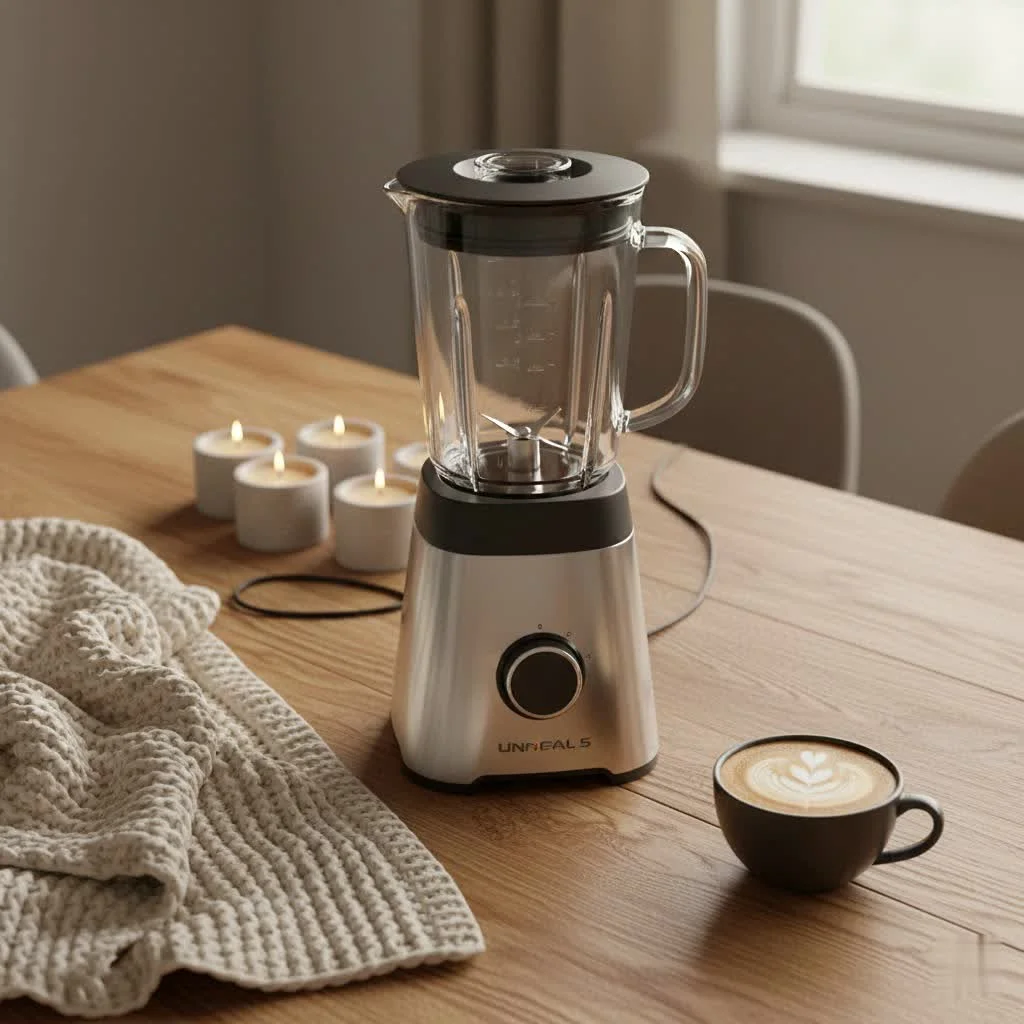
At its core, a blender is designed for one primary purpose: liquefying. Think smooth. Think creamy. With a tall, narrow pitcher and sharp blades at the bottom, blenders excel at transforming ingredients into a uniform, pourable consistency. They’re your go-to for concocting perfect smoothies, velvety soups, luscious sauces, and refreshing milkshakes. The sheer speed of the blades, coupled with the vortex created in the pitcher, pulls ingredients down into the cutting path, ensuring everything gets thoroughly processed into a liquid state.
What Exactly Is a Food Processor?
In contrast to the blender’s liquefying prowess, a food processor is the ultimate workhorse for solid ingredients. Imagine chopping onions without tears, dicing vegetables for a stir-fry in seconds, shredding cheese, or even kneading dough. A food processor typically features a wide, shorter bowl and a range of interchangeable blades and discs designed for specific tasks like chopping, slicing, shredding, grating, and puréeing. The powerful motor and versatile attachments give you precise control over texture, from coarse to fine, without over-processing.
Blender vs. Food Processor: The Core Differences
While both appliances use rotating blades and a motor, their fundamental design and function diverge significantly. Understanding these distinctions is key to making the right choice for your kitchen.
| Feature | Blender | Food Processor |
|---|---|---|
| Primary Function | Liquefying, puréeing, emulsifying | Chopping, slicing, shredding, grating, kneading |
| Ideal For | Smoothies, soups, sauces, milkshakes, batters | Dips, dough, salsa, chopped veggies, nut butter |
| Container Shape | Tall, narrow pitcher | Wide, shorter bowl |
| Blade Design | Fixed, multi-level blades at bottom | Interchangeable blades (S-blade, slicing/shredding discs) |
| Texture Output | Smooth, uniform, liquid | Coarse to fine, varied textures |
| Best with | Liquids, soft fruits, cooked vegetables | Hard vegetables, nuts, cheese, meat, dough |
As Dr. Anya Sharma, a renowned culinary engineer, explains, “The magic lies in the blade geometry and bowl design. Blenders create flow, processing everything into liquid, while food processors offer precision cuts for solids, allowing for diverse textures critical in meal preparation.”
Enter the Blender Food Processor Combo: The Best of Both Worlds?
So, can one appliance truly do it all? The blender food processor combo aims to answer that with a resounding yes. These innovative machines are designed to offer the functionalities of both a dedicated blender and a food processor within a single unit. Typically, they feature a powerful motor base and come with two main attachments: a traditional blender pitcher and a food processor bowl with an S-blade and often various slicing/shredding discs.
The primary appeal of a blender food processor is undeniable:
- Space-Saving: For kitchens with limited counter or storage space, combining two large appliances into one is a major upgrade.
- Cost-Effective: Often, purchasing a combo unit can be more economical than buying a high-quality blender and food processor separately.
- Versatility: From morning smoothies to evening meal prep, a single machine handles a vast array of tasks.
However, it’s also important to consider that while highly versatile, some combo units might not match the sheer power or specialized features of top-tier dedicated machines, especially for very heavy-duty tasks like crushing large quantities of ice or kneading extremely stiff dough over long periods. Yet, for most home cooks, the convenience and broad utility far outweigh these minor compromises.
Who Needs a Blender Food Processor Combo?
You might be the perfect candidate for a blender food processor if:
- You have a smaller kitchen: Every inch of counter space is precious.
- You enjoy varied cooking: You need to make smoothies for breakfast, chop vegetables for lunch, and prepare dough for dinner.
- You’re budget-conscious: Getting two functionalities for the price of one is appealing.
- You’re a casual cook: You don’t frequently engage in heavy-duty processing or blending but want the option for both.
- You want to simplify: Less clutter, fewer appliances to maintain.
Choosing the Right Blender Food Processor for You
Selecting the ideal blender food processor requires a bit of thoughtful consideration to ensure it meets your specific culinary needs.
What wattage is ideal for a blender food processor?
|
Our Picks for the Best Food Blender in 2026
As an Amazon Associate I earn from qualifying purchases.
|
||
| Num | Product | Action |
|---|---|---|
| 1 | Ninja BN701 Professional Plus Blender, 1400 Peak Watts, 3 Functions for Smoothies, Frozen Drinks & Ice Cream with Auto IQ, 72-oz.* Total Crushing Pitcher & Lid, Dark Grey |

|
| 2 | Ninja Mega Kitchen System, 1500W, 72 oz. Full-Size Blender & 8-Cup Food Processor with (2) 16 oz. Cups , Black, BL770 |
|
| 3 | Hamilton Beach Power Elite Wave Action Blender For Smoothies, 40 Oz Glass Jar, 12 Functions Including Puree, Crush Ice, 700 Watts - Black (58148A) |
|
| 4 | Turelar Immersion Blender Handheld Corded Hand Blenders Set 1100W, Trigger Variable Speed 5 in 1 Stick Emulsifier with Chopper, Whisk and Frother for Soup, Baby Food and Smoothies |
|
| 5 | nutribullet Personal Blender, Shakes, Smoothies, Food Prep, and Frozen Blending, 24 Ounces, 600 Watt, Gray, NBR-0601WM |
|
| 6 | SUNVIVIPRO 1000W Professional Hand Blender, 12-Speed Heavy Duty Immersion Blender with 10 Attachments, 20OZ Food Chopper, Stainless Steel Whisk, Milk Frother for Commercial Use |
|
| 7 | Hamilton Beach Electric Vegetable Chopper & Mini Food Processor, 3-Cup, 350 Watts, for Dicing, Mincing, and Puree, Black (72850) |
|
| 8 | Ninja BR201AMZ Professional Blender 2.0, 1200 Watts, Auto-iQ Program, Total Crushing Blades, 72-oz. Pitcher, 4 Manual Speeds for Smoothies, Shakes, and Frozen Drinks, Dishwasher-Safe Parts, Dark Grey |
|
| 9 | BLACK+DECKER PowerCrush Multi-Function Blender with 6-Cup Glass Jar, 4 Speed Settings, Silver |
|
| 10 | Aeitto Blenders for Kitchen 1800W Max Power Smoothie Blender with 68Oz. Jar, 3 Preset Programs & 7 Speeds, Professional Countertop Blender for Smoothies, Ice Crush, Frozen Drinks, Silver |
|
For a reliable blender food processor, look for a motor with at least 1000 watts. Higher wattage generally means better performance, especially when tackling tough ingredients like frozen fruits, ice, or dense vegetables. A powerful motor ensures both efficient blending and robust food processing without straining the appliance.
What capacity do I need for my blender food processor?
Consider your typical batch sizes. Blender pitchers usually range from 48 to 72 ounces, while food processor bowls are typically 8 to 14 cups. If you’re cooking for one or two, a smaller capacity might suffice. For families or meal prepping, opt for larger capacities to avoid multiple batches.
What attachments should I look for in a blender food processor?
Beyond the standard blender pitcher and S-blade for the food processor bowl, useful attachments include slicing discs (thin and thick), shredding discs, and sometimes a dough blade. The more attachments, the greater your culinary possibilities.
Is ease of cleaning important for a blender food processor?
Absolutely! Look for models with dishwasher-safe components and simple designs that minimize crevices where food can get stuck. An appliance that’s a chore to clean will quickly become an unused dust collector.
How important is durability when buying a blender food processor?
Durability is crucial for longevity. Look for sturdy construction, especially in the motor base and blade assemblies. Stainless steel blades are generally preferred over plastic for sharpness and resilience. Reading reviews for feedback on long-term performance can be very helpful.
Tips for Maximizing Your Blender Food Processor
To get the most out of your versatile blender food processor, follow these expert tips:
- Layer Ingredients Correctly: When blending, liquids first, then soft ingredients, followed by harder items and ice. For food processing, add ingredients in batches if the bowl is large, or through the feed chute for consistent slicing/shredding.
- Master the Pulse Function: The pulse setting is your best friend for food processing. It gives you quick bursts of power, allowing for precise control over texture and preventing over-processing, which can turn perfectly chopped onions into mush.
- Don’t Overfill: Never fill past the “max fill” line. Overfilling can lead to leaks, inefficient processing, and strain on the motor.
- Regular Maintenance: Keep blades sharp (though most home users won’t need to sharpen them often, avoid putting hard items like large pits through unless specified). Clean immediately after use to prevent food from drying and sticking.
- Read the Manual: Seriously, every blender food processor has its quirks. The manual provides crucial safety warnings, usage tips, and cleaning instructions specific to your model.
FAQ
Can a blender chop vegetables?
While some powerful blenders with specific settings might be able to coarsely chop soft vegetables, a blender is not designed for precise chopping. Its function is to pulverize and liquefy, which often results in unevenly chopped or pureed vegetables, rather than cleanly cut pieces. For proper chopping, a food processor is the superior tool.
Can a food processor make smoothies?
A food processor can blend soft ingredients with some liquid, but it struggles to achieve the smooth, consistent texture of a true smoothie. Its wider bowl and S-blade are designed for chopping and mixing, not for creating the vortex needed to fully integrate and liquefy all ingredients into a creamy drink.
Are combo units as powerful as dedicated machines?
Generally, high-end dedicated blenders and food processors might offer slightly more specialized power or features for very demanding tasks. However, modern blender food processor combo units are remarkably powerful and efficient for the vast majority of home cooking needs, often providing excellent performance in both blending and processing.
How often should I sharpen my blades?
For typical home use, the stainless steel blades of a quality blender food processor are designed to remain sharp for a long time without needing sharpening. If you notice a significant decrease in performance, it might be due to a dull blade, but often it’s a sign of motor wear or improper usage rather than dullness that requires sharpening.
What should I do if my blender food processor smells like it’s burning?
Immediately turn off and unplug the appliance. This usually indicates the motor is overheating or overworked. Let it cool down completely, check for any obstructions, and ensure you’re not overfilling or processing ingredients that are too hard for the motor’s capacity. If the smell persists after cooling, it might need professional servicing.
Conclusion
The journey through the world of kitchen appliances reveals that while blenders and food processors each hold a unique, valuable place, the blender food processor combo offers an unparalleled level of convenience and versatility. It’s an intelligent investment for anyone looking to streamline their kitchen, save space, and tackle a diverse range of culinary tasks with confidence. By understanding its capabilities and choosing a model that aligns with your needs, you’ll unlock a world of culinary possibilities, making your kitchen a more efficient and enjoyable space. Go ahead, explore the potential of your blender food processor – your taste buds (and your countertops) will thank you!
Frequently Asked Questions
Can a blender chop vegetables effectively for cooking?
No, a blender is not designed for precise vegetable chopping. Its primary function is to pulverize and liquefy ingredients, which typically results in unevenly chopped or pureed vegetables. For clean, consistent cuts, a food processor is the superior tool.
Is it possible for a food processor to make smooth beverages like smoothies?
A food processor can blend soft ingredients with liquid, but it struggles to achieve the smooth, consistent texture of a true smoothie. Its wider bowl and S-blade are optimized for chopping and mixing, not for creating the vortex necessary to fully integrate and liquefy all ingredients into a creamy drink.
Are combo blender food processor units as powerful as dedicated appliances?
Generally, high-end dedicated blenders and food processors may offer slightly more specialized power or features for very demanding tasks. However, modern blender food processor combo units are remarkably powerful and efficient for the vast majority of home cooking needs, often providing excellent performance in both blending and processing functions.
How frequently do the blades in a blender food processor need sharpening?
For typical home use, the stainless steel blades of a quality blender food processor are designed to remain sharp for a long time without needing sharpening. If you notice a significant decrease in performance, it might indicate motor wear or improper usage rather than dullness requiring sharpening.
What should I do if my blender food processor emits a burning smell?
Immediately turn off and unplug the appliance if you detect a burning smell. This usually indicates the motor is overheating or overworked. Allow it to cool down completely, check for any obstructions, and ensure you are not overfilling or processing ingredients that are too hard for the motor's capacity. If the smell persists after cooling, professional servicing may be required.
Choosing the Right Blender Food Processor
Selecting the ideal blender food processor requires thoughtful consideration of several factors to ensure it meets your specific culinary needs and provides long-lasting performance.
Look for a motor with at least 1000 watts for reliable performance. Higher wattage ensures efficient blending and robust food processing, especially with tough ingredients like frozen fruits or dense vegetables, preventing strain on the appliance.
Consider your typical batch sizes. Blender pitchers usually range from 48 to 72 ounces, while food processor bowls are 8 to 14 cups. Choose a smaller capacity for one or two people, and a larger one for families or meal prepping to avoid multiple batches.
Beyond the standard blender pitcher and S-blade, look for useful attachments such as slicing discs (thin and thick), shredding discs, and a dough blade. More attachments expand your culinary possibilities and versatility.
Select models with dishwasher-safe components and simple designs that minimize crevices where food can get stuck. An appliance that is easy to clean will be used more frequently and maintained better over time.
Durability is crucial for longevity. Look for sturdy construction, especially in the motor base and blade assemblies. Stainless steel blades are generally preferred for sharpness and resilience, and checking reviews for long-term performance is highly recommended.
Cooking gear we tested in our own kitchens
Free PDF — preheat times measured on 10 popular air fryers.
I’ve been using my new blender food processor combo for a few weeks now, and it’s pretty solid. It makes quick work of my morning protein shakes and I’ve even tried making some homemade hummus, which turned out great. My only minor complaint is that the food processor bowl is a bit smaller than I expected, so I sometimes have to do things in batches.
This appliance is exactly what I needed! I love making homemade soups, and my old blender just couldn’t get them smooth enough. This combo unit, especially the blender pitcher, creates the most velvety soups and creamy sauces. It’s incredibly versatile and has really elevated my cooking.
I bought a mid-range model, hoping to get good performance without breaking the bank. While it’s decent for basic tasks like making sauces, I’ve found it struggles a bit with tougher ingredients. When I tried to make almond butter, the motor seemed to strain, and I had to stop and scrape down the sides a lot. It’s okay, but maybe I should have invested in a higher-end brand.
I was really on the fence about getting a separate blender and food processor, but this combo unit has been a game changer. The 1000-watt motor handles everything I throw at it, from crushing ice for smoothies to finely dicing onions for salsa. It’s so nice to have one base for both functions, saving a ton of counter space in my small kitchen.