Stepping into the world of kitchen appliances can feel a bit like learning a new language. You hear terms like “food processor” and “blender,” and while they both promise to simplify your culinary life, understanding their distinct roles is key to truly transforming your cooking. As a seasoned expert with over 15 years in the game and a content creator for Bzzgw.com, I’m here to demystify these versatile machines and help you decide which one (or both!) deserves a spot on your counter.
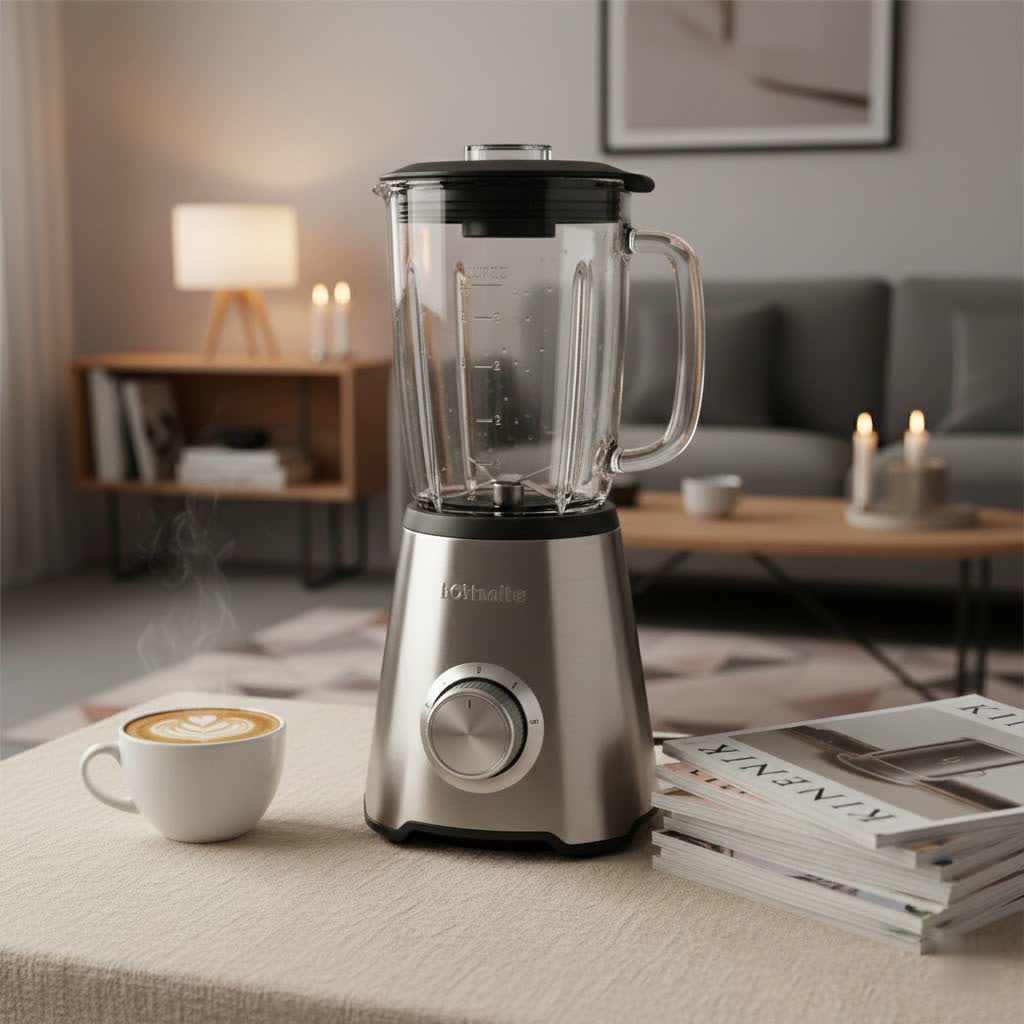
At first glance, a food processor and a blender might seem like fraternal twins – similar in appearance, both with powerful motors and whirring blades. But dig a little deeper, and you’ll uncover their unique strengths, designed for very different kitchen tasks. Knowing these differences isn’t just about saving money; it’s about optimizing your meal prep, achieving perfect textures, and ultimately, making your time in the kitchen more enjoyable and efficient.
What Exactly is a Food Processor?
Think of a food processor as your personal sous chef, ready to tackle all the heavy-duty chopping, slicing, and dicing you dread. This robust appliance features a wide work bowl and a powerful motor, designed to handle solid ingredients with ease. Its most distinguishing characteristic is its array of interchangeable blades and discs, allowing it to perform a multitude of functions beyond simple blending.
A food processor excels at:
- Chopping and Mincing: Quickly breaks down vegetables, nuts, herbs, and even meat into uniform pieces.
- Slicing and Shredding: With various discs, it can produce perfectly even slices of cucumbers or carrots, or shred cheese and cabbage in seconds.
- Grating: Ideal for cheese, vegetables, or zesting citrus.
- Kneading Dough: Some models come with a dough blade, making quick work of pizza or bread dough.
- Making Dips and Spreads: Hummus, pesto, and various nut butters are a breeze.
- Crumbing: Turns bread into breadcrumbs or cookies into pie crusts.
Its wider bowl and sturdy construction are built for volume and resistance, making it the go-to for meal prepping large quantities of ingredients.
What Exactly is a Blender?
Now, let’s talk blenders. This appliance is the master of transformation, turning chunky ingredients into smooth, liquid gold. Characterized by its tall, narrow pitcher and typically a fixed blade at the base, a blender is engineered to create a powerful vortex that continuously pulls ingredients down into the blades, ensuring a consistently smooth and lump-free result.
A blender is your best friend for:
- Smoothies and Shakes: The classic use, effortlessly blending fruits, vegetables, and liquids into creamy drinks.
- Pureed Soups and Sauces: Achieves silky-smooth textures for hot or cold soups, gravies, and sauces.
- Crushing Ice: Many blenders have specific settings and power to pulverize ice for frozen beverages.
- Emulsifying: Perfect for creating stable emulsions like mayonnaise, salad dressings, or hollandaise.
- Baby Food: Quickly purees cooked ingredients into smooth consistencies.
- Nut Milks: Can process nuts and water into smooth, dairy-free alternatives.
The blender’s design is optimized for liquids and semi-liquids, ensuring a fluid motion that leaves no ingredient untouched, resulting in an unparalleled smooth finish.
Food Processor vs. Blender: The Core Differences Explained
While both appliances undeniably save time and effort in the kitchen, their core design and purpose diverge significantly. Understanding these distinctions is crucial.
Functionality and Purpose
|
Our Picks for the Best Food Blender in 2026
As an Amazon Associate I earn from qualifying purchases.
|
||
| Num | Product | Action |
|---|---|---|
| 1 | SUNVIVIPRO 1000W Professional Hand Blender, 12-Speed Heavy Duty Immersion Blender with 10 Attachments, 20OZ Food Chopper, Stainless Steel Whisk, Milk Frother for Commercial Use |

|
| 2 | Turelar Immersion Blender Handheld Corded Hand Blenders Set 1100W, Trigger Variable Speed 5 in 1 Stick Emulsifier with Chopper, Whisk and Frother for Soup, Baby Food and Smoothies |
|
| 3 | BLACK+DECKER PowerCrush Multi-Function Blender with 6-Cup Glass Jar, 4 Speed Settings, Silver |
|
| 4 | Ninja Mega Kitchen System, 1500W, 72 oz. Full-Size Blender & 8-Cup Food Processor with (2) 16 oz. Cups , Black, BL770 |
|
| 5 | Aeitto Blenders for Kitchen 1800W Max Power Smoothie Blender with 68Oz. Jar, 3 Preset Programs & 7 Speeds, Professional Countertop Blender for Smoothies, Ice Crush, Frozen Drinks, Silver |
|
| 6 | Ninja BR201AMZ Professional Blender 2.0, 1200 Watts, Auto-iQ Program, Total Crushing Blades, 72-oz. Pitcher, 4 Manual Speeds for Smoothies, Shakes, and Frozen Drinks, Dishwasher-Safe Parts, Dark Grey |
|
| 7 | Hamilton Beach Electric Vegetable Chopper & Mini Food Processor, 3-Cup, 350 Watts, for Dicing, Mincing, and Puree, Black (72850) |
|
| 8 | nutribullet Personal Blender, Shakes, Smoothies, Food Prep, and Frozen Blending, 24 Ounces, 600 Watt, Gray, NBR-0601WM |
|
| 9 | Ninja BN701 Professional Plus Blender, 1400 Peak Watts, 3 Functions for Smoothies, Frozen Drinks & Ice Cream with Auto IQ, 72-oz.* Total Crushing Pitcher & Lid, Dark Grey |
|
| 10 | Hamilton Beach Power Elite Wave Action Blender For Smoothies, 40 Oz Glass Jar, 12 Functions Including Puree, Crush Ice, 700 Watts - Black (58148A) |
|
The primary differentiator lies in what they are designed to process. A food processor is built for solid food preparation – think chopping, slicing, and mixing dry, thicker ingredients. A blender, on the other hand, specializes in liquid-based mixtures, aiming for smooth, consistent textures.
Blade Design and Attachments
This is where the magic really happens. Food processors come equipped with a variety of blades and discs. You’ll find S-blades for chopping and pureeing, along with separate discs for slicing, shredding, and grating. This modularity makes them incredibly versatile for different cuts and textures. Blenders typically feature a single, fixed blade assembly at the bottom of the pitcher, specifically engineered to create a vortex and pulverize ingredients into a uniform liquid consistency.
Bowl/Jar Shape and Capacity
Observe their containers, and you’ll notice a clear difference. Food processors feature a wide, squat bowl, which provides ample space for solid ingredients to move freely across the blades and discs. This design is excellent for processing larger volumes of food. In contrast, blenders use a tall, narrow pitcher. This shape is crucial for directing ingredients down into the high-speed blades, creating the characteristic vortex necessary for smooth blending of liquids.
Motor Power and Speed
While both are powerful, their motor mechanics are often tuned for different tasks. Food processors often have motors with higher torque, better suited for handling dense, heavy loads like kneading dough or chopping hard vegetables without stalling. Blenders, especially high-performance models, boast incredibly high RPMs (revolutions per minute) to achieve super-fine purees and efficiently crush ice.
Versatility
A food processor’s versatility shines in its ability to perform a wide range of prep tasks for solid ingredients. A blender’s versatility is in its capability to transform various ingredients into liquid states, from thick sauces to light frothy drinks.
“Many people assume that because both have blades, they can do the same job,” notes Clara Nguyen, a culinary technologist and expert contributor to Bzzgw. “However, their engineering is fundamentally different. A food processor is about shaping and dividing solids, while a blender is about homogenizing liquids.”
When to Use Which: Practical Scenarios
Let’s break down typical kitchen tasks to help you decide which appliance is the right tool for the job.
Reach for Your Food Processor When You’re Making:
- Salsa or Pico de Gallo: Achieve perfectly chopped vegetables without mush.
- Pie Crust or Cookie Dough: The dough blade can combine ingredients quickly and evenly.
- Homemade Breadcrumbs: Turns stale bread into fine crumbs in seconds.
- Grated Cheese or Shredded Cabbage: Say goodbye to sore arms from manual grating.
- Nut Butters: Creates smooth, creamy nut butter from roasted nuts.
- Hummus or Pesto: Blends thick ingredients into a consistent paste.
- Chopped Onions, Garlic, or Herbs: Saves immense time on tedious knife work.
Grab Your Blender When You’re Crafting:
- Smoothies and Protein Shakes: Effortlessly blends frozen fruits, ice, and liquids.
- Creamy Soups: Purees cooked vegetables into a velvety smooth soup.
- Pancakes or Waffle Batter: Mixes ingredients evenly with no lumps.
- Homemade Dressings or Mayonnaise: Creates stable emulsions with ease.
- Nut Milks (Almond, Oat, Soy): Processes nuts or grains into smooth, strained liquids.
- Frozen Cocktails (Margaritas, Daiquiris): Crushes ice and blends ingredients to perfection.
- Baby Food Purees: Achieves the ultra-smooth texture needed for infants.
Can One Replace the Other? Crossover and Limitations
While there’s some overlap in their capabilities – both can, to an extent, puree soft cooked ingredients – neither appliance is a perfect substitute for the other’s primary function.
- Using a Food Processor as a Blender: A food processor can puree cooked fruits or vegetables, and even make thick sauces. However, it will struggle to create truly smooth, liquid-based blends like thin smoothies or creamy soups, especially if they contain a lot of ice or tough fibrous ingredients. The wider bowl and S-blade aren’t designed to create the continuous vortex needed for efficient liquid blending. You’ll likely end up with chunkier, less uniform results.
- Using a Blender as a Food Processor: A blender can chop small amounts of soft ingredients if there’s enough liquid to help them move. But it’s not ideal for slicing, shredding, or dicing solid ingredients. Its tall pitcher and fixed blade are ill-suited for these tasks, often leading to over-processed mush at the bottom while larger chunks remain on top. Kneading dough or shredding cheese is simply beyond a blender’s capacity.
“Attempting to force a blender to do a food processor’s job, or vice versa, often leads to frustration and subpar results,” advises Clara Nguyen. “It can also put undue strain on the motor, potentially shortening the lifespan of your appliance.”
The Hybrid Solution: Food Processor and Blender Combo Units
For those with limited counter space or a desire for ultimate versatility, combo units exist. These appliances typically feature a single motor base that can accommodate both a blender pitcher and a food processor bowl with their respective blades and attachments.
Pros of Combo Units:
- Space-Saving: One base, two functions.
- Cost-Effective: Often cheaper than buying two high-quality separate units.
- Versatility: Can switch between tasks relatively easily.
Cons of Combo Units:
- Compromised Performance: Sometimes, a hybrid unit may not perform either task as exceptionally as a dedicated, specialized appliance.
- Complexity: More parts to manage and store.
- Capacity Limitations: The bowls and pitchers might be smaller than dedicated units.
These combo machines are an excellent option for casual cooks who need both functionalities occasionally, but serious home chefs might prefer the specialized power and efficiency of separate, high-performance units.
Choosing Your Culinary Companion: A Buying Guide
Deciding between a food processor, a blender, or a combo unit ultimately boils down to your personal cooking habits and needs. Here’s what to consider:
-
Assess Your Cooking Style:
- Love smoothies, soups, and sauces? A high-quality blender is your primary need.
- Spend hours chopping, slicing, and preparing ingredients for meals? A food processor will be a game-changer.
- Do you do a bit of everything? Consider a combo unit or, if space and budget allow, owning both.
-
Consider Capacity:
- Blenders: Range from personal blenders (1-2 servings) to full-size pitchers (6-8 cups or more).
- Food Processors: Bowls typically range from 7 cups (compact) to 14 cups (full-size), affecting how much you can process at once.
-
Motor Strength (Wattage):
- Higher wattage generally indicates more power. For blenders, this means better ice crushing and smoother purees. For food processors, it means easier processing of hard vegetables and dough.
- Look for at least 500-750 watts for a good blender, and 600 watts or more for a robust food processor.
-
Attachments and Features:
- Food Processors: Look for a variety of slicing/shredding discs, a dough blade, and varying speed settings.
- Blenders: Consider preset programs (smoothie, ice crush), variable speeds, and pulse functions.
-
Ease of Cleaning:
- Dishwasher-safe parts are a huge plus. Some blenders even have self-cleaning functions.
-
Budget and Counter Space:
- High-end blenders can be quite an investment, as can feature-rich food processors. Determine what you’re willing to spend.
- Measure your counter and cabinet space to ensure your chosen appliance will fit comfortably.
Maintenance Tips for Longevity
To ensure your Food Processor And Blender serve you well for years, proper care is essential:
- Immediate Cleaning: Clean bowls, pitchers, and blades immediately after use to prevent food from drying and sticking.
- Disassembly: For food processors, always disassemble all parts before cleaning. Pay extra attention to the S-blade and discs.
- Blade Care: Be extremely cautious when handling sharp blades. Use a brush for cleaning if necessary.
- Motor Base: Wipe the motor base with a damp cloth; never submerge it in water.
- Storage: Store attachments neatly. Some food processors come with storage boxes for discs.
- Don’t Overload: Avoid overfilling either appliance, as this can strain the motor and lead to inefficient processing.
FAQ: Your Burning Questions Answered
Q1: What is the main difference between a food processor and a blender?
A1: The main difference lies in their primary function: a food processor excels at processing solid ingredients like chopping, slicing, and kneading dough, while a blender is best for blending and pureeing liquids to create smooth consistencies like smoothies and soups.
Q2: Can a food processor make a smoothie?
A2: A food processor can technically puree soft fruits, but it generally won’t achieve the smooth, fully liquid consistency of a blender, especially with ice or tougher ingredients. It’s better suited for thicker purees or sauces.
Q3: Can I chop vegetables in a blender?
A3: While a blender can finely chop small amounts of very soft vegetables with enough liquid, it won’t give you the uniform results of a food processor. It often leads to some pieces being pureed while others remain chunky.
Q4: Which one should I buy if I only have space for one?
A4: If you primarily make drinks, soups, and sauces, go for a blender. If your main tasks involve chopping, slicing, shredding, and dough-making for meal prep, a food processor is the better choice. A combo unit could be a compromise if you need both functions occasionally.
Q5: Are food processor and blender combo units any good?
A5: Combo units offer convenience and save space, making them a good option for casual users. However, dedicated high-performance blenders and food processors often offer superior power and specialized features for their respective tasks.
Q6: What’s the best way to clean my blender or food processor?
A6: For blenders, try adding warm water and a drop of dish soap, then running it for 30 seconds. For both, always clean immediately after use, disassemble all parts, and check if components are dishwasher safe. Be careful with sharp blades.
Q7: Can I make nut butter in a blender?
A7: While some high-powered blenders can make nut butter, food processors generally do a better job and are often recommended for thicker, drier tasks like this, as they can handle the consistent scraping and processing needed.
Conclusion
Understanding the distinct capabilities of a food processor and a blender is the first step towards culinary mastery. While they might both be found on your kitchen counter, these powerful appliances are designed for different, yet equally vital, roles. The food processor streamlines your solid food prep, saving you countless hours of chopping and dicing, while the blender transforms ingredients into velvety smooth liquids, from morning smoothies to gourmet soups.
Whether you’re a seasoned chef or just starting your cooking journey, knowing when to reach for your food processor and when to fire up your blender will undoubtedly elevate your dishes and make your time in the kitchen more efficient and enjoyable. Choose wisely based on your needs, maintain them well, and let these incredible kitchen companions empower your culinary creativity every single day.
