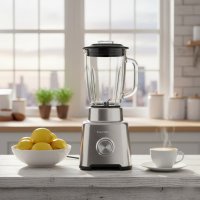
Hello, fellow food enthusiasts! As someone who’s spent over 15 years knee-deep in the world of kitchen appliances, specifically food blenders, I can tell you that few tools offer the sheer convenience and versatility of the humble food blender stick. Here at Bzzgw.com, we’re passionate about helping you navigate the sometimes-complex world of kitchen gadgets, and today, we’re diving deep into why this seemingly simple stick is an absolute game-changer. Often known as an immersion blender or hand blender, this sleek device empowers you to whip up culinary magic right in your pot or bowl, streamlining your cooking process and unleashing a world of delicious possibilities.

What Exactly is a Food Blender Stick?
Forget the bulky countertop blenders that demand their own dedicated space. A food blender stick is a compact, handheld kitchen tool designed for blending, pureeing, whisking, and even chopping ingredients directly in their containers. Imagine smoothing out a simmering pot of soup without ever having to transfer it to another appliance! It typically consists of a long, slender handle housing a motor, control buttons, and a removable blending attachment with sharp blades at its end. This allows you to “immerse” the blades directly into your food, hence its popular moniker, “immersion blender.”
Interestingly, this ingenious device has roots tracing back to Switzerland in 1950, where it was first introduced as the “BAMIX.” Over the decades, it has evolved, becoming a staple in both professional and home kitchens worldwide for its unparalleled convenience and efficiency.
The Unbeatable Benefits of Embracing a Food Blender Stick
Why should this slim powerhouse find a permanent home in your kitchen? The advantages are plentiful, touching every aspect of your cooking experience.
Unmatched Convenience and Time-Saving
This is arguably the most celebrated benefit of the food blender stick. Picture this: you’ve just finished simmering a rich, creamy tomato soup. With a traditional blender, you’d have to carefully ladle hot liquid into a separate pitcher, blend in batches, and then transfer it back to the pot, risking spills and extra cleanup. With an immersion blender, you simply plunge the stick directly into the pot and blend until smooth. No transfers, no extra mess, just seamless blending from start to finish. This direct-to-pot capability dramatically cuts down on your preparation and cleanup time, making it ideal for busy weeknights or large meal preps. [cite: 1, 2, 3, 4 (search result 4)]
Space-Saving Wonder
In an age where kitchen space is often a premium, the compact design of a food blender stick is a significant advantage. Unlike their countertop counterparts, these hand blenders take up minimal drawer or cupboard space. They are lightweight and easily stowed away, making them perfect for smaller kitchens, apartments, or even for taking on holiday. You don’t need to dedicate precious counter real estate to a large appliance when you have this discreet yet powerful tool at your disposal. [cite: 1, 2, 3, 4, 5 (search result 4)]
Effortless Cleaning and Maintenance
|
Our Picks for the Best Food Blender in 2026
As an Amazon Associate I earn from qualifying purchases.
|
||
| Num | Product | Action |
|---|---|---|
| 1 | Turelar Immersion Blender Handheld Corded Hand Blenders Set 1100W, Trigger Variable Speed 5 in 1 Stick Emulsifier with Chopper, Whisk and Frother for Soup, Baby Food and Smoothies |

|
| 2 | Aeitto Blenders for Kitchen 1800W Max Power Smoothie Blender with 68Oz. Jar, 3 Preset Programs & 7 Speeds, Professional Countertop Blender for Smoothies, Ice Crush, Frozen Drinks, Silver |
|
| 3 | BLACK+DECKER PowerCrush Multi-Function Blender with 6-Cup Glass Jar, 4 Speed Settings, Silver |
|
| 4 | Hamilton Beach Power Elite Wave Action Blender For Smoothies, 40 Oz Glass Jar, 12 Functions Including Puree, Crush Ice, 700 Watts - Black (58148A) |
|
| 5 | Ninja Mega Kitchen System, 1500W, 72 oz. Full-Size Blender & 8-Cup Food Processor with (2) 16 oz. Cups , Black, BL770 |
|
| 6 | Ninja BR201AMZ Professional Blender 2.0, 1200 Watts, Auto-iQ Program, Total Crushing Blades, 72-oz. Pitcher, 4 Manual Speeds for Smoothies, Shakes, and Frozen Drinks, Dishwasher-Safe Parts, Dark Grey |
|
| 7 | nutribullet Personal Blender, Shakes, Smoothies, Food Prep, and Frozen Blending, 24 Ounces, 600 Watt, Gray, NBR-0601WM |
|
| 8 | Ninja BN701 Professional Plus Blender, 1400 Peak Watts, 3 Functions for Smoothies, Frozen Drinks & Ice Cream with Auto IQ, 72-oz.* Total Crushing Pitcher & Lid, Dark Grey |
|
| 9 | Hamilton Beach Electric Vegetable Chopper & Mini Food Processor, 3-Cup, 350 Watts, for Dicing, Mincing, and Puree, Black (72850) |
|
| 10 | SUNVIVIPRO 1000W Professional Hand Blender, 12-Speed Heavy Duty Immersion Blender with 10 Attachments, 20OZ Food Chopper, Stainless Steel Whisk, Milk Frother for Commercial Use |
|
Another huge win for the immersion blender is how incredibly easy it is to clean. Most models feature detachable blending shafts that can be quickly rinsed under the tap or popped into the dishwasher. This is a stark contrast to wrestling with the large, sometimes awkward pitchers and blades of traditional blenders or food processors. Less scrubbing means more time enjoying your culinary creations! [cite: 1, 2, 3, 4 (search result 4)]
Precision and Control in Every Blend
The handheld nature of a food blender stick gives you an exceptional level of control over the blending process. Many models come with multiple speed settings and even a “Turbo” button, allowing you to finely adjust the texture from chunky to silky smooth. Whether you’re aiming for a perfectly emulsified vinaigrette or a rustic, textured soup, you can guide the blades precisely where needed, ensuring consistent results every time. This precision makes it a go-to for delicate tasks like making homemade mayonnaise or airy whipped cream. [cite: 2 (search result 4)]
Surprising Versatility Beyond Basics
While often associated with soups and smoothies, the food blender stick’s capabilities extend far beyond. It’s a true multi-tasker that can significantly expand your culinary repertoire. [cite: 2, 4, 5 (search result 1)]
- Smoothies and Shakes: Blend individual portions directly in a glass or a small beaker for minimal fuss. [cite: 2 (search result 2), 5 (search result 1)]
- Soups and Sauces: Create restaurant-quality smooth soups (like butternut squash or broccoli cheddar) and sauces (marinara, béchamel) right in the cooking pot. [cite: 2, 4, 5 (search result 1), 2 (search result 3)]
- Baby Food: Quickly puree cooked fruits and vegetables into fresh, wholesome baby food tailored to your little one’s needs. [cite: 1, 3 (search result 1)]
- Whipped Cream and Mayonnaise: Achieve perfect emulsifications and fluffy textures in minutes, often with specialized whisk attachments. [cite: 5 (search result 1)]
- Batters: Smooth out pancake batter, crepe mix, or even cake batter, eliminating lumps with ease. [cite: 5 (search result 3)]
- Chop and Grind: Many models come with chopper attachments, turning your stick blender into a mini food processor perfect for garlic, herbs, nuts, or making hummus. [cite: 1, 3 (search result 1)]
Unleashing the Power: How to Master Your Food Blender Stick
To get the most out of your food blender stick, a few simple techniques can make all the difference, ensuring safety, efficiency, and delicious results.
Essential Safety and Setup Tips
Before you even plug in your food blender stick, make sure you’re set up for success:
- Choose the Right Container: Opt for a deep, narrow pot, bowl, or beaker with high sides. This helps contain splashes and provides enough depth for the blades to work effectively. [cite: 2, 4 (search result 3)]
- Don’t Overfill: Never fill your container more than two-thirds full. Leaving adequate space allows for proper circulation and prevents overflow as ingredients blend and expand. [cite: 2 (search result 3)]
- Submerge Fully: Always ensure the blending head is completely submerged in the food or liquid before you turn it on. This is crucial for preventing messy splatters and ensuring even blending. [cite: 1, 2, 5 (search result 3)]
- Unplug When Changing Attachments or Cleaning: Make it a habit to always turn off and unplug your blender before attaching/detaching parts or cleaning. Safety first! [cite: 4 (search result 3)]
Step-by-Step Blending Techniques
Once you’re ready, here’s how to master different textures:
- Start Low and Slow: Begin with the lowest speed setting or use short pulses. This gradually breaks down ingredients and helps prevent sudden splashes. [cite: 1, 2 (search result 3)]
- Move Gently: For silky smooth results, hold the blender upright and move it slowly in circular motions around the bottom and sides of the container. Gently tilt the blender or move it slightly up and down to catch any unblended chunks and create a vortex that pulls ingredients into the blades. Blend for 1-2 minutes for optimal smoothness. [cite: 1, 2, 4 (search result 3)]
- For Chunky Textures: If you want some texture, like in a chunky salsa or a thick vegetable soup, use short, controlled pulses rather than continuous blending. Move the stick blender only slightly and blend for 5-10 seconds at a time. [cite: 1 (search result 3)]
- Finish Strong: Always turn off the blender before lifting it out of the food. This prevents any residual food from flying across your kitchen. [cite: 1, 2, 5 (search result 3)]
Creative Uses You Might Not Expect
Your food blender stick isn’t just for the obvious. Here are some less common but incredibly useful applications:
- Homemade Mayonnaise: This is where the precision of an immersion blender truly shines. You can whip up a fresh batch of creamy, flavorful mayonnaise in under a minute.
- Fluffy Whipped Cream: Forget the stand mixer for small batches. A whisk attachment on your immersion blender can transform heavy cream into perfectly stiff peaks in moments.
- Salad Dressings and Vinaigrettes: Emulsify oils and vinegars effortlessly for stable, delicious dressings that won’t separate.
- Pestos and Sauces: From basil pesto to a vibrant chimichurri, your immersion blender handles herbs, nuts, and oil with ease.
Choosing Your Perfect Culinary Companion: What to Look for in a Food Blender Stick
With so many models on the market, selecting the right food blender stick can feel daunting. Here’s what to consider to ensure you pick a truly valuable addition to your kitchen:
Power and Speed Settings: Finding Your Sweet Spot
Blender power, typically measured in watts, affects how efficiently the machine can handle different ingredients. While models range from 225W to over 1000W, a good starting point for most home cooks is a blender with at least 500W to 800W. This range provides ample power for everyday tasks like pureeing soups and blending smoothies. Look for multiple speed settings (some offer 20 or more!) and a “Turbo” button for an extra burst of power when tackling tougher ingredients like root vegetables. [cite: 1, 2, 3 (search result 1)]
Attachments and Accessories: Expanding Your Culinary Horizon
Many food blender sticks come as part of a kit, offering a variety of attachments that enhance their versatility. Common accessories include:
- Whisk Attachment: Ideal for whipping cream, beating eggs, or making meringues. [cite: 1, 3 (search result 1)]
- Chopper Attachment (Mini Food Processor): A small bowl with its own blade, perfect for finely chopping nuts, herbs, garlic, or making salsas and hummus. [cite: 1, 3 (search result 1)]
- Beaker/Measuring Cup: A tall, narrow container designed for blending individual portions or smaller recipes, often with measurement markings. [cite: 1, 3 (search result 1)]
- Milk Frother: For perfect lattes and cappuccinos. [cite: 3 (search result 1)]
Consider your typical cooking needs when evaluating which attachments will be most useful for you.
Design and Ergonomics: Comfort in Your Hand
Since you’ll be holding this tool, comfort is key. Look for a blender with an ergonomic grip that feels comfortable in your hand, even during extended use. The buttons should be easily accessible and simple to press without excessive force. The weight of the blender is also a factor; a lightweight model will cause less hand fatigue. Also, pay attention to the shaft length and blade guard design. A longer shaft is beneficial for deep pots, and a well-designed blade guard helps prevent suction and protects your non-stick cookware from scratches. [cite: 2, 4 (search result 1)]
Corded vs. Cordless: Which Suits Your Kitchen?
Most food blender sticks are corded, offering consistent power without worrying about battery life. However, cordless immersion blenders are gaining popularity, providing ultimate freedom of movement in the kitchen, especially if outlets are scarce or you’re moving between different workstations. If you opt for cordless, consider battery life and charging time. [cite: 2, 3 (search result 2)]
Food Blender Stick vs. Traditional Blender: A Clear Distinction
It’s important to understand that a food blender stick isn’t meant to completely replace a traditional countertop blender or a heavy-duty food processor. Instead, they serve complementary roles in the kitchen.
- When to reach for your Food Blender Stick: Small batches, pureeing hot soups directly in the pot, making quick sauces, dressings, whipped cream, baby food, or when you need minimal cleanup. Its strength lies in convenience and ease of use for everyday tasks. [cite: 4, 5 (search result 4)]
- When a Traditional Blender is better: Crushing large amounts of ice, making very thick smoothies with frozen ingredients, blending large batches, or when you need sustained high power for tough ingredients. Countertop blenders often have more powerful motors for these demanding tasks. [cite: 3 (search result 4)]
In essence, a food blender stick excels at making your daily cooking smoother and more efficient, while a traditional blender handles the heavier-duty, larger-volume tasks. Many home cooks find immense value in owning both.
Expert Insights: A Word from the Bzzgw Kitchen
As Chef Anya Sharma from Bzzgw.com, I’ve seen countless kitchen tools come and go, but the humble food blender stick remains a perennial favorite. “It’s the unsung hero of the kitchen,” Chef Anya always says, “offering a surprising amount of power and versatility in such a compact design. From velvety soups to perfectly emulsified dressings, it consistently delivers professional-grade results without the fuss. It’s a testament to good design meeting practical kitchen needs.”
FAQs: Your Burning Questions Answered
Can a food blender stick crush ice?
While some powerful food blender sticks can handle small amounts of ice, it’s generally not their primary strength. Over-relying on them for ice crushing can strain the motor and potentially dull the blades. For large quantities of ice or very thick frozen ingredients, a traditional countertop blender is usually a better choice. [cite: 4 (search result 4)]
How long can I use an immersion blender continuously?
Most manufacturers recommend not using an immersion blender continuously for more than 1 minute to prevent overheating the motor. For longer tasks, blend in short bursts, allowing the motor to rest between intervals. [cite: 5 (search result 4)]
Is an immersion blender worth it if I already have a regular blender?
Absolutely! An immersion blender complements a regular blender beautifully. It excels at tasks where a traditional blender is inconvenient or overkill, such as pureeing soup directly in the pot, making small batches of sauces, or whipping cream. It’s a fantastic tool for quick, everyday blending with minimal cleanup. [cite: 5 (search result 4)]
What’s the best container to use?
A deep, narrow container with high sides is ideal. This could be your cooking pot, a large measuring cup, or a specialized beaker that often comes with the blender. The key is to have enough depth to fully submerge the blades and high sides to prevent splashing. [cite: 2, 4 (search result 3)]
How do I clean my food blender stick?
Cleaning is usually straightforward. For most models, simply detach the blending shaft from the motor unit. The shaft can then be rinsed under running water (with a drop of dish soap for stuck-on food) or placed in the dishwasher if it’s dishwasher-safe. Always ensure the motor unit itself does not get wet. [cite: 1, 4 (search result 4)]
Unlock Culinary Efficiency with Your Food Blender Stick
The food blender stick, or immersion blender, is more than just a gadget; it’s a powerful ally in the kitchen, offering unparalleled convenience, versatility, and precision. Its ability to simplify tasks, save space, and cut down on cleanup makes it an invaluable tool for anyone passionate about cooking, from novice home cooks to seasoned chefs. If you’re looking to streamline your cooking process, explore new recipes, and enjoy more time at the table, investing in a quality food blender stick is a decision you won’t regret.
Ready to find the perfect immersion blender for your kitchen? Dive deeper into our reviews and guides on Bzzgw.com for expert recommendations and comparisons!
Cooking gear we tested in our own kitchens
Free PDF — preheat times measured on 10 popular air fryers.