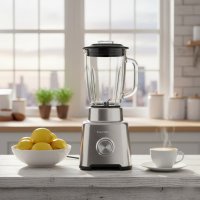
Hey there, fellow food enthusiasts! As someone who’s spent over 15 years immersed (pun intended!) in the world of kitchen gadgets, I can confidently say that the food immersion blender is one of the most transformative tools you can add to your culinary arsenal. Often called a hand blender or stick blender, this compact powerhouse isn’t just about blending; it’s about making your kitchen life easier, more efficient, and a whole lot more creative. At Bzzgw, we’re passionate about helping you navigate the complexities of kitchen tech, and today, we’re diving deep into everything you need to know about the incredible food immersion blender.

What is a Food Immersion Blender and Why Do You Need One?
A food immersion blender is a sleek, handheld device designed to blend, puree, emulsify, and mix ingredients directly in the pot, bowl, or cup you’re using. Forget the hassle of transferring hot liquids or messy mixtures to a bulky traditional blender. This clever gadget brings the blending power right to your food, saving you time and dishwashing efforts. Its compact size is a true blessing for smaller kitchens, easily tucking away in a drawer or cabinet.
How Does a Food Immersion Blender Simplify Your Cooking?
The primary advantage of a food immersion blender lies in its unparalleled convenience and efficiency. You can blend a creamy soup right on the stovetop, whip up a smoothie in your drinking glass, or emulsify a silky vinaigrette in a measuring cup. This direct-to-vessel blending minimizes splashing and reduces cleanup, making those everyday tasks a breeze. It’s a real workhorse for quick jobs that a traditional blender might feel like overkill for.
Unleashing Culinary Creativity: Top Uses for Your Food Immersion Blender
The versatility of a food immersion blender truly shines through its wide array of applications. From breakfast to dinner and even desserts, this tool can elevate countless dishes.
Pureeing Soups and Sauces
What can you make with an immersion blender for soups?
An immersion blender is ideal for achieving perfectly smooth soups and sauces directly in their cooking vessel, eliminating the need to transfer hot liquids. Simply submerge the head into the pot and pulse until you reach your desired consistency. This is perfect for creamy tomato sauces, silky butternut squash soups, or even incorporating hidden vegetables into your family’s meals.
Crafting Smoothies and Shakes
For a quick breakfast or a refreshing snack, a food immersion blender is fantastic for whipping up smoothies, milkshakes, and protein shakes. You can blend directly in your favorite mug or a tall glass, making cleanup as simple as rinsing the blending shaft. Just remember that while it handles frozen fruits well, traditional blenders are generally better equipped for crushing large ice cubes.
Emulsifying Dressings, Mayonnaise, and Aioli
|
Our Picks for the Best Food Blender in 2026
As an Amazon Associate I earn from qualifying purchases.
|
||
| Num | Product | Action |
|---|---|---|
| 1 | Ninja Mega Kitchen System, 1500W, 72 oz. Full-Size Blender & 8-Cup Food Processor with (2) 16 oz. Cups , Black, BL770 |

|
| 2 | Hamilton Beach Electric Vegetable Chopper & Mini Food Processor, 3-Cup, 350 Watts, for Dicing, Mincing, and Puree, Black (72850) |
|
| 3 | Ninja BN701 Professional Plus Blender, 1400 Peak Watts, 3 Functions for Smoothies, Frozen Drinks & Ice Cream with Auto IQ, 72-oz.* Total Crushing Pitcher & Lid, Dark Grey |
|
| 4 | Aeitto Blenders for Kitchen 1800W Max Power Smoothie Blender with 68Oz. Jar, 3 Preset Programs & 7 Speeds, Professional Countertop Blender for Smoothies, Ice Crush, Frozen Drinks, Silver |
|
| 5 | Turelar Immersion Blender Handheld Corded Hand Blenders Set 1100W, Trigger Variable Speed 5 in 1 Stick Emulsifier with Chopper, Whisk and Frother for Soup, Baby Food and Smoothies |
|
| 6 | Ninja BR201AMZ Professional Blender 2.0, 1200 Watts, Auto-iQ Program, Total Crushing Blades, 72-oz. Pitcher, 4 Manual Speeds for Smoothies, Shakes, and Frozen Drinks, Dishwasher-Safe Parts, Dark Grey |
|
| 7 | SUNVIVIPRO 1000W Professional Hand Blender, 12-Speed Heavy Duty Immersion Blender with 10 Attachments, 20OZ Food Chopper, Stainless Steel Whisk, Milk Frother for Commercial Use |
|
| 8 | nutribullet Personal Blender, Shakes, Smoothies, Food Prep, and Frozen Blending, 24 Ounces, 600 Watt, Gray, NBR-0601WM |
|
| 9 | BLACK+DECKER PowerCrush Multi-Function Blender with 6-Cup Glass Jar, 4 Speed Settings, Silver |
|
| 10 | Hamilton Beach Power Elite Wave Action Blender For Smoothies, 40 Oz Glass Jar, 12 Functions Including Puree, Crush Ice, 700 Watts - Black (58148A) |
|
Why is an immersion blender great for emulsifying?
Emulsifying two liquids that usually don’t mix, like oil and vinegar, is a core strength of the food immersion blender. Its constant blending motion creates stable, creamy emulsions like homemade mayonnaise, salad dressings, and luxurious aioli in mere minutes. This precision makes achieving that perfect consistency effortless.
Whipping Cream and Egg Whites
No stand mixer? No problem! Many food immersion blenders come with a whisk attachment that can whip fresh cream to fluffy perfection or beat egg whites for meringues and soufflés. It’s a fast, easy way to achieve light and airy results without breaking a sweat.
Making Homemade Baby Food
How does an immersion blender help with baby food?
An immersion blender provides excellent control over texture, making it perfect for preparing wholesome homemade baby food. Steam fruits, vegetables, or meats until tender, then puree them in a small container. You can adjust the consistency by adding more liquid for thinner purees or slowing the speed for a slightly chunkier texture as your baby grows.
Mixing Batters and Pestos
Say goodbye to lumpy pancake batters! An immersion blender can swiftly combine wet ingredients and then incorporate dry ones for smooth, streak-free batters for pancakes, crepes, cakes, or brownies. It’s also excellent for quickly transforming fresh herbs, nuts, and oil into vibrant pesto sauces or chunky hummus.
Choosing Your Perfect Food Immersion Blender: A Buying Guide
With so many options available, selecting the right food immersion blender can seem daunting. Here’s what to look for to ensure you find a model that fits your culinary needs:
1. Power (Wattage)
What wattage should I look for in an immersion blender?
The motor’s wattage is crucial for handling different ingredients. For basic tasks like pureeing soft fruits or cooked vegetables, 200-350 watts might suffice. However, if you plan to tackle tougher ingredients like frozen fruits, fibrous vegetables, or nuts, aim for a food immersion blender with 600 watts or higher, with some heavy-duty models reaching up to 1000 watts. Higher wattage generally means smoother blending and better performance.
2. Attachments and Versatility
Many food immersion blenders offer more than just a blending shaft. Look for models that include useful attachments such as:
- Whisk: For whipping cream, beating eggs, or making meringues.
- Chopper/Food Processor Bowl: Great for chopping nuts, herbs, or making salsas.
- Frother: For lattes and cappuccinos.
- Beaker/Measuring Cup: Often included for convenient blending.
These accessories significantly expand the culinary possibilities of your immersion blender.
3. Speed Settings
Multiple speed options, including a “turbo” or pulse mode, provide greater control over the texture and consistency of your blends. This allows you to go from a coarse chop to a silky smooth puree with precision. Two speeds might cover most basic needs, but variable speed dials offer superior control.
4. Material and Durability
Opt for a food immersion blender with a stainless steel blending shaft. Stainless steel is more durable, resistant to staining, and less prone to warping or cracking than plastic. High-quality, BPA-free materials for any accompanying containers or attachments are also a plus for safety and longevity.
5. Ergonomics and Comfort
Since you’ll be holding the immersion blender, a comfortable, non-slip grip is essential to prevent hand fatigue, especially during longer blending tasks. Look for a design that feels balanced in your hand.
6. Corded vs. Cordless
- Corded Immersion Blenders: Generally more powerful and suitable for heavy-duty tasks or longer blending sessions without losing power.
- Cordless Immersion Blenders: Offer freedom of movement and are convenient for quick, light tasks where outlets might be scarce, though they typically have less power and shorter battery life.
7. Price
Food immersion blenders come in a wide range of prices. Budget models offer good value for basic tasks, while higher-end models provide more power, features, and durability. Consider your needs and how often you’ll use it to find the best value for your investment.
Expert Tips for Using Your Food Immersion Blender Safely and Effectively
Even with the right food immersion blender, knowing a few pro tips can make all the difference in your blending experience and ensure its longevity.
Use the Right Container
Always use a tall, narrow container or pot when blending. This shape helps contain ingredients, prevents splattering, and allows the blades to create a vortex for efficient blending. Avoid wide, shallow bowls.
Keep Blades Submerged
Before turning on your food immersion blender, ensure the blades are fully submerged in the ingredients. Starting the blender out of the liquid is a surefire way to create a messy splash and can also damage the motor.
Blend in Bursts and Move Around
How do I prevent my immersion blender from overheating or splashing?
To prevent overheating and achieve even blending, blend in short bursts rather than continuous operation. Move the blender up and down, and tilt it slightly to get all ingredients into the blades and release any suction that might form at the bottom of the pot. This dynamic movement ensures a consistent texture throughout.
Mind the Pot’s Surface
If blending directly in an expensive non-stick or enamel pot, ensure your food immersion blender has a plastic guard around the blade head to prevent scratches. Tilting the blender slightly can also help avoid dragging the blades directly along the bottom.
“A food immersion blender isn’t just another gadget; it’s a game-changer for home cooks, offering unparalleled convenience for everything from velvety soups to silky smooth sauces, all without the mess of transferring hot liquids. It truly brings professional efficiency to your everyday kitchen,” advises Elena Rodriguez, a seasoned Culinary Equipment Specialist at Bzzgw.com.
Keeping It Clean: Immersion Blender Maintenance for Longevity
Proper cleaning and maintenance are key to ensuring your food immersion blender remains a reliable kitchen companion for years to come.
Immediate Cleanup is Best
What is the easiest way to clean an immersion blender?
The easiest and most effective way to clean your food immersion blender is immediately after use. Detach the blending shaft from the motor unit. For a quick clean, fill a tall glass with warm, soapy water, submerge the blade end, and run the blender for 10-20 seconds. Rinse the shaft under running water.
Hand-Wash the Shaft (Usually)
While some blending shafts are dishwasher safe, checking your manufacturer’s manual is always best. Hand-washing with warm, soapy water and a brush (especially around the blades) ensures thorough cleaning and helps preserve the integrity of the components. Rinse well and dry completely before storing.
Wipe Down the Motor Unit
Can I immerse the motor unit of my food immersion blender in water?
Absolutely not! Never immerse the motor body of your food immersion blender in water or any other liquid, as this can cause severe electrical damage. Instead, wipe the motor unit clean with a damp cloth and a mild detergent, then dry it thoroughly. Always unplug the blender before cleaning any part of it.
Proper Storage
Once completely dry, store your food immersion blender in a safe, dry place away from heat sources. If it has a cord, wrap it loosely around the widest part of the handle rather than tightly around a narrow section to prevent kinks or damage.
Common Questions About Food Immersion Blenders
Q1: Is an immersion blender better than a regular blender for soups?
A: For soups, many chefs prefer an immersion blender because it allows you to puree directly in the pot, eliminating the messy and potentially dangerous step of transferring hot liquids to a traditional blender jar. It also offers more control over the soup’s texture.
Q2: Can a food immersion blender crush ice?
A: While some powerful immersion blenders can handle small amounts of crushed ice, they are generally not designed for heavy ice crushing. Traditional countertop blenders are usually better suited for this task. Immersion blenders excel at blending frozen fruits into smoothies.
Q3: How long can I run my immersion blender continuously?
A: It’s best to operate your food immersion blender in short bursts, typically 30-60 seconds, with brief pauses in between. This prevents the motor from overheating and helps extend the appliance’s lifespan. Consult your specific model’s manual for precise recommendations.
Q4: Are all immersion blender attachments interchangeable?
A: No, attachments are typically brand-specific and designed to fit particular models. Always use attachments made for your specific food immersion blender to ensure proper fit and safe operation.
Q5: Can I use an immersion blender for kneading dough?
A: Immersion blenders are not designed for kneading dough. Their blades are meant for blending and pureeing liquids and soft solids. For kneading, you’ll need a stand mixer with a dough hook or a dedicated food processor with appropriate attachments.
Q6: How do I avoid suction at the bottom of the pot?
A: To release suction, simply tilt the food immersion blender slightly while it’s running. This allows air to enter and breaks the vacuum, making it easier to move the blender around and prevent scratching the pot’s bottom.
Q7: What are some signs that my immersion blender needs maintenance or replacement?
A: Signs include unusual noises, a burning smell from the motor, decreased blending power, dull or damaged blades, or issues with the power cord. Regular cleaning and inspection can help identify these issues early.
The Bottom Line: Your Food Immersion Blender Awaits!
A food immersion blender is more than just a kitchen gadget; it’s a time-saving, mess-reducing, and versatile tool that empowers you to tackle a wide range of recipes with confidence and ease. From velvety soups to perfectly emulsified dressings, it streamlines your cooking process and helps you achieve professional-level results in your own kitchen.
We at Bzzgw are confident that armed with this knowledge, you’re ready to fully embrace the power and convenience of your food immersion blender. So go ahead, experiment with new recipes, enjoy effortless meal prep, and most importantly, savor the delicious creations that come from having such a capable companion by your side. Happy blending!
Cooking gear we tested in our own kitchens
Free PDF — preheat times measured on 10 popular air fryers.